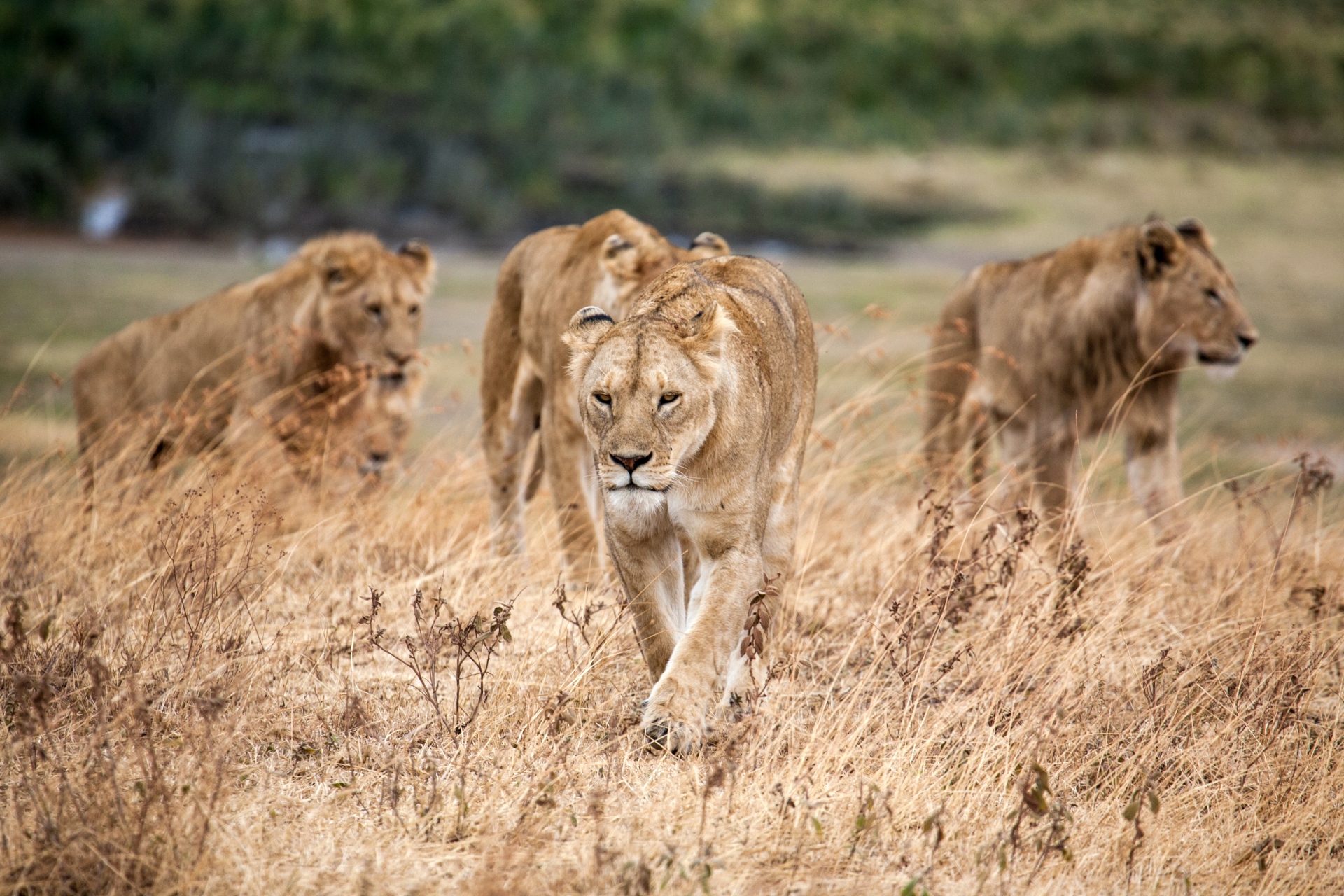
Tanzania is where many travelers imagine an African safari before they have ever set foot in the country, the wide plains, the migration, the volcanic crater that holds an ecosystem within its walls. It tends to live up to the imagining, especially when the trip is planned with care.
Why Choose Tanzania
Tanzania is home to the Serengeti, Ngorongoro Crater, Tarangire, and Lake Manyara, four landscapes that each offer a distinct safari experience within the same itinerary. The country is also where the Great Migration spends the majority of the year, which means timing your trip carefully unlocks some of the most concentrated wildlife viewing in Africa.
Beyond the parks, Tanzania pairs naturally with time in Zanzibar at the end of a safari, which gives travelers a slower stretch on the coast after the early mornings and long game drives. It is one of our most requested combinations.
Serengeti Experience
The Serengeti is layered. The southern plains, around Ndutu, are where the migration calves between January and March, drawing predators in numbers. The central and western corridors are where the herds move through the long dry season, with river crossings building in intensity from June onward. The northern Serengeti, near the Mara River, holds the most dramatic crossings between July and October.
Our itineraries position you in the right region for your travel dates, with mobile camps that move with the migration when the season calls for it. The result is a safari that feels designed for the moment you arrive, rather than a fixed circuit.
Best Time to Visit
The strongest months for classic Serengeti safaris fall between June and October, when the dry season concentrates wildlife and the migration moves north. January through March offers exceptional calving season experiences in the southern plains, with cleaner roads and warmer days.
April and May, the longer rains, are quieter and lower in price, though some camps close. November offers a brief secondary rain pattern and a slower pace, which suits some travelers beautifully.
Travel Tips
Internal flights make a real difference in Tanzania, since road transfers between parks are long. Light hand luggage is required on most charter flights, usually around 15 kilograms in a soft duffel. Bring layered clothing for cool mornings and warmer afternoons, and a good pair of binoculars, since the long lens of the eye is often the difference between seeing something and really seeing it.
Yellow fever vaccination is required for entry from certain countries, and malaria precautions are recommended across most of the safari regions. Your Access Expert will share a full pre-departure briefing closer to the trip.
Sample Itinerary
A ten-day Tanzania journey often opens with arrival into Arusha or Kilimanjaro, followed by two nights in Tarangire or Lake Manyara for an easier entry into the safari rhythm. From there, two nights at Ngorongoro Crater offer one of the most concentrated game drives in Africa, before three to four nights in the Serengeti, positioned for the season.
The journey often ends with three to four nights in Zanzibar, where slower mornings on the coast bring the trip back to ground. Variations on this plan are designed around the time of year and the kind of travel you prefer.
FAQs
How long should a Tanzania safari be?
A focused Tanzania safari works well at seven to nine days. Add Zanzibar and the full journey extends to twelve to fourteen days, which most travelers find is the right length.
Is Tanzania safe for travelers?
Tanzania is generally safe for travelers, particularly on guided safari itineraries where camps, transfers, and routes are coordinated end to end. We work only with operators and camps we know personally.
Can the trip include Kilimanjaro?
Yes. We design Kilimanjaro trekking experiences in combination with safari time for travelers ready for the additional days and physical preparation involved.