Picture this: you're on a boat in Milford Sound, waterfalls dropping straight down sheer cliffs, the Texan beside you is speechless, and everyone's camera roll is full before lunch. This is New Zealand in autumn, and it's far better suited to accessible group travel than most people realize.
Rethinking Group Tours in New Zealand
Group travel usually means packed buses, rigid schedules, and rushing through sights. In New Zealand, especially in fall, it looks different. You get smaller groups, calmer roads, better pacing, and actual time to enjoy each stop instead of just shooting and running.
Why March to May Works So Well
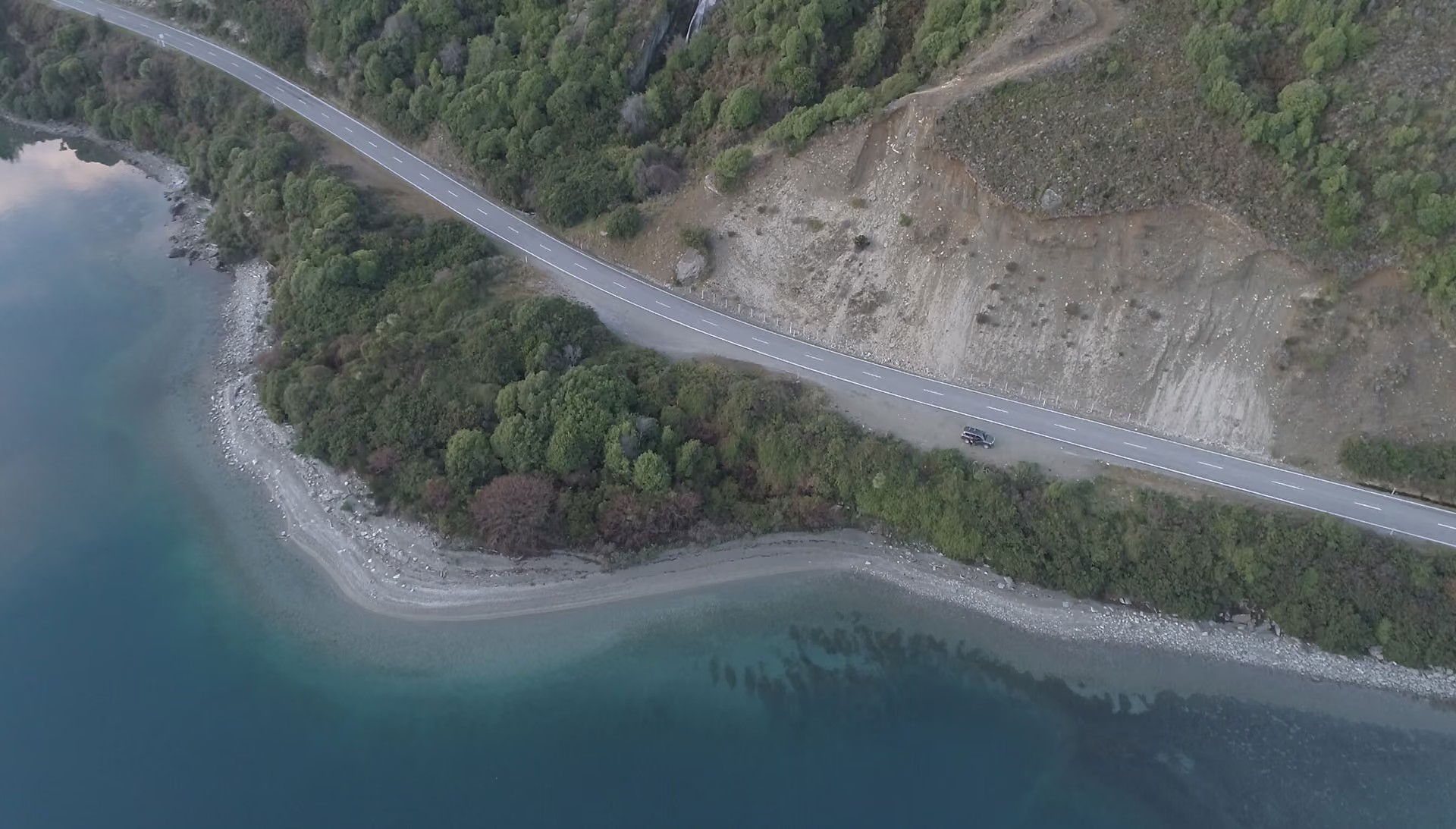
From March to May, the summer crowds thin out, prices ease, and the weather settles into that comfortable middle ground. It's cool but not harsh, ideal for easy touring and scenic drives. Central Otago's vineyards turn gold and copper, the Southern Alps sit under clear skies, and Fiordland's waterfalls stay dramatic without winter's road issues.
Built-In Ease and Accessibility
New Zealand has invested in inclusive tourism with modern facilities, accessible transport options, and operators who actually understand mobility needs. This isn't just "technically accessible" checklists. In an organized journey, someone else has already verified which walks and viewpoints are genuinely accessible, which restaurants and hotels can comfortably host the group, and where you can get the best views without steep climbs or awkward transfers.
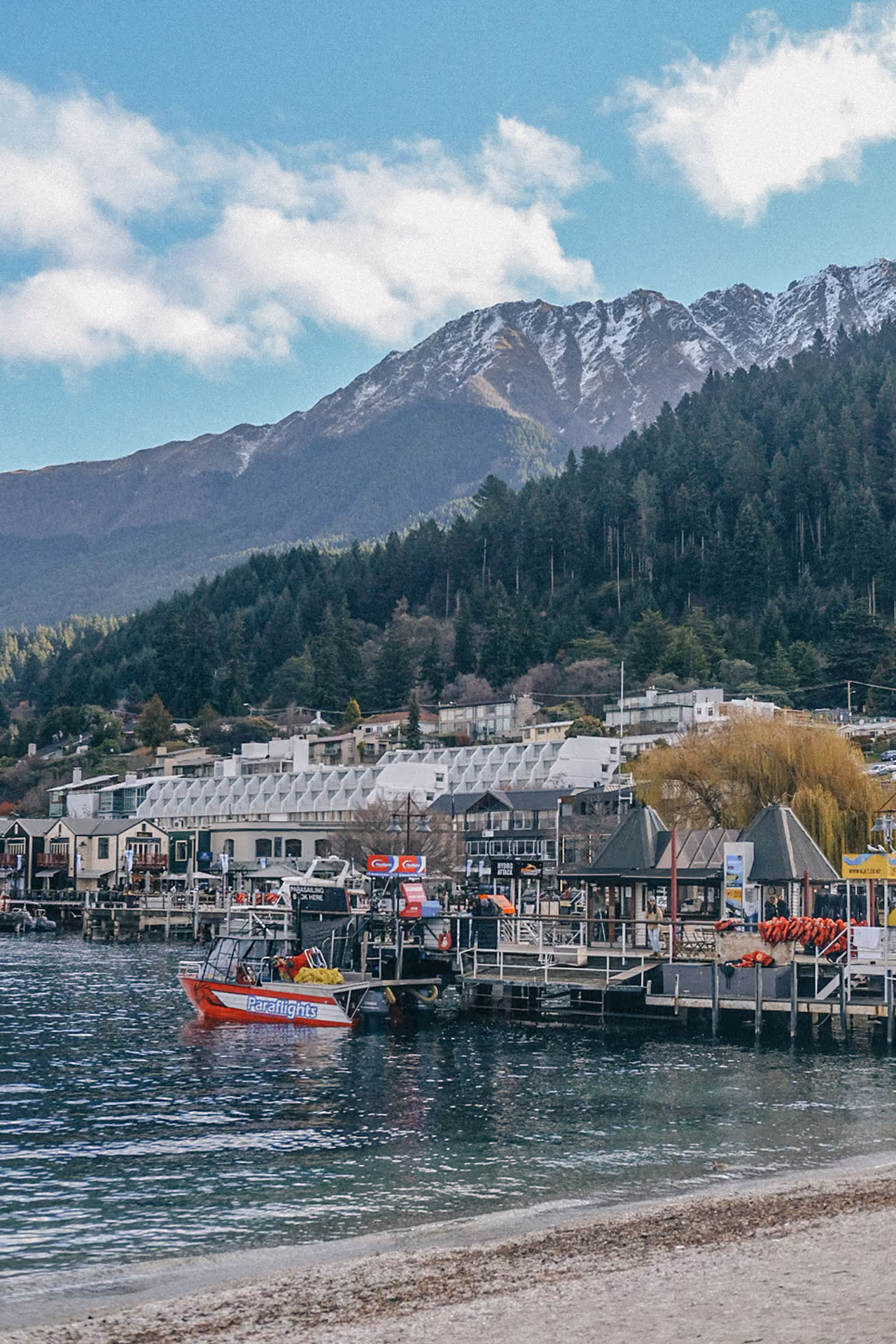
The pace stays gentle. You have time for coffee by Lake Wakatipu in Queenstown, time to talk with Māori cultural hosts in Rotorua instead of rushing through a show, and time to rest without missing out.
Experiences That Actually Deliver
Milford Sound: Cruises make the fiord accessible to most travelers, and autumn brings mild weather with reliable waterfall drama and often clearer conditions than peak summer.
Queenstown and Gibbston Valley: You get compact, walkable centers, flat lakeside promenades, wine tasting without scrambling through vineyards, and a gondola that does the climbing for you.
Rotorua: Boardwalks and structured paths wind through geothermal areas, plus Māori cultural experiences are designed for visitors. The operators here are used to hosting guests with different mobility needs.
The Group Dynamic That Makes It Better
Traveling with others who understand accessibility means less explaining and less guilt about pace. You move together, adjust together, and share the same big moments. Milford Sound in the mist, a quiet vineyard lunch, a geothermal walk that felt manageable instead of exhausting. The journey feels inclusive instead of isolating.
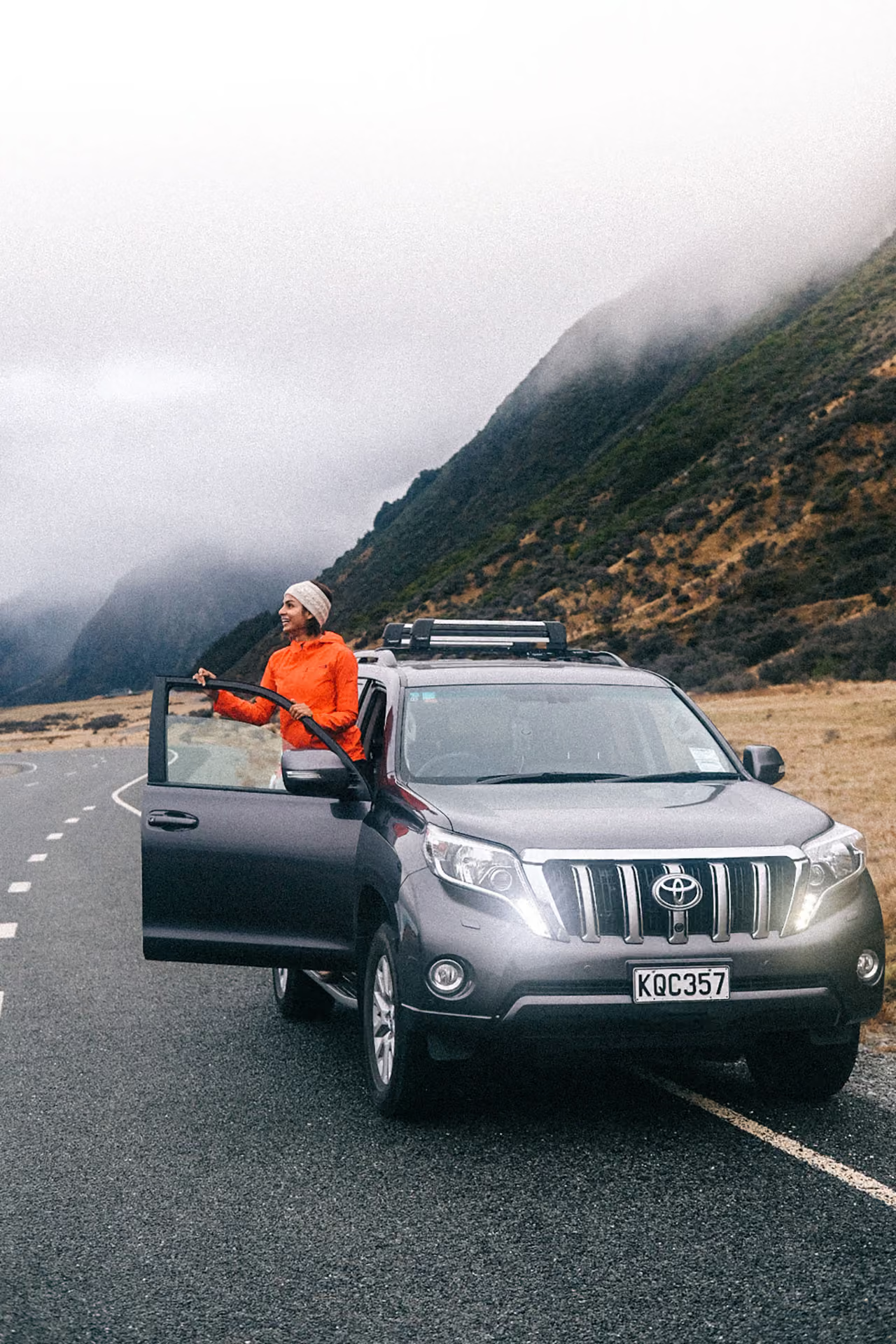
What the New Zealand Fall Journey Actually Includes
A structured fall journey in New Zealand bundles accessible accommodation, most meals, ground transport, and guided touring into one plan. You're not juggling logistics across two islands. Group sizes stay small enough for flexibility and real support. Think hosted circle, not 50-seat bus. Your guides are locals who know both the landscape and the realities of accessible travel.
Autumn is when all of this lines up: manageable weather, softer crowds, dramatic scenery, and infrastructure that already leans inclusive. Add expert planning, and you get something rare in long-haul travel—a trip that's genuinely accessible, high-comfort, and still exciting enough to feel like a once-in-a-lifetime experience.
Ready to see what fall in New Zealand actually looks like? Check out the New Zealand Fall Journey or explore more accessible adventures with Access Travel.