If there's one trip that genuinely lives up to the hype, it's seeing the Great Migration in Africa. Not the photos, not the documentaries — the real thing.
Millions of animals moving across the plains, predators hunting in broad daylight, and a landscape so vast it's hard to believe it exists. It's the kind of experience that stays with you long after you're back home.
Our Africa Migration Journey runs from March 28 to April 7, 2026. Eleven days covering Tanzania's greatest safari destinations before ending on the beach in Zanzibar. Maximum 12 travelers, with an Access Expert with you the entire time.
What Is the Great Migration?
Think of it as nature's biggest road trip. About 1.5 to 2 million wildebeest, zebras, and other animals move in a continuous loop between Tanzania's Serengeti and Kenya's Maasai Mara throughout the year, following fresh grass and water wherever it leads. The famous river crossings you've seen on NatGeo — thousands of animals jumping into crocodile-filled water, typically happen between July and October.
But here's the thing: the Migration is always happening somewhere. Our March to April window puts you in the southern Serengeti and Ngorongoro during calving season, when hundreds of thousands of wildebeest calves are born within just a few weeks. Predator activity is at its peak. The plains are alive. It's a completely different kind of spectacle from the river crossings, and honestly, just as incredible to witness.
The Journey, Day by Day
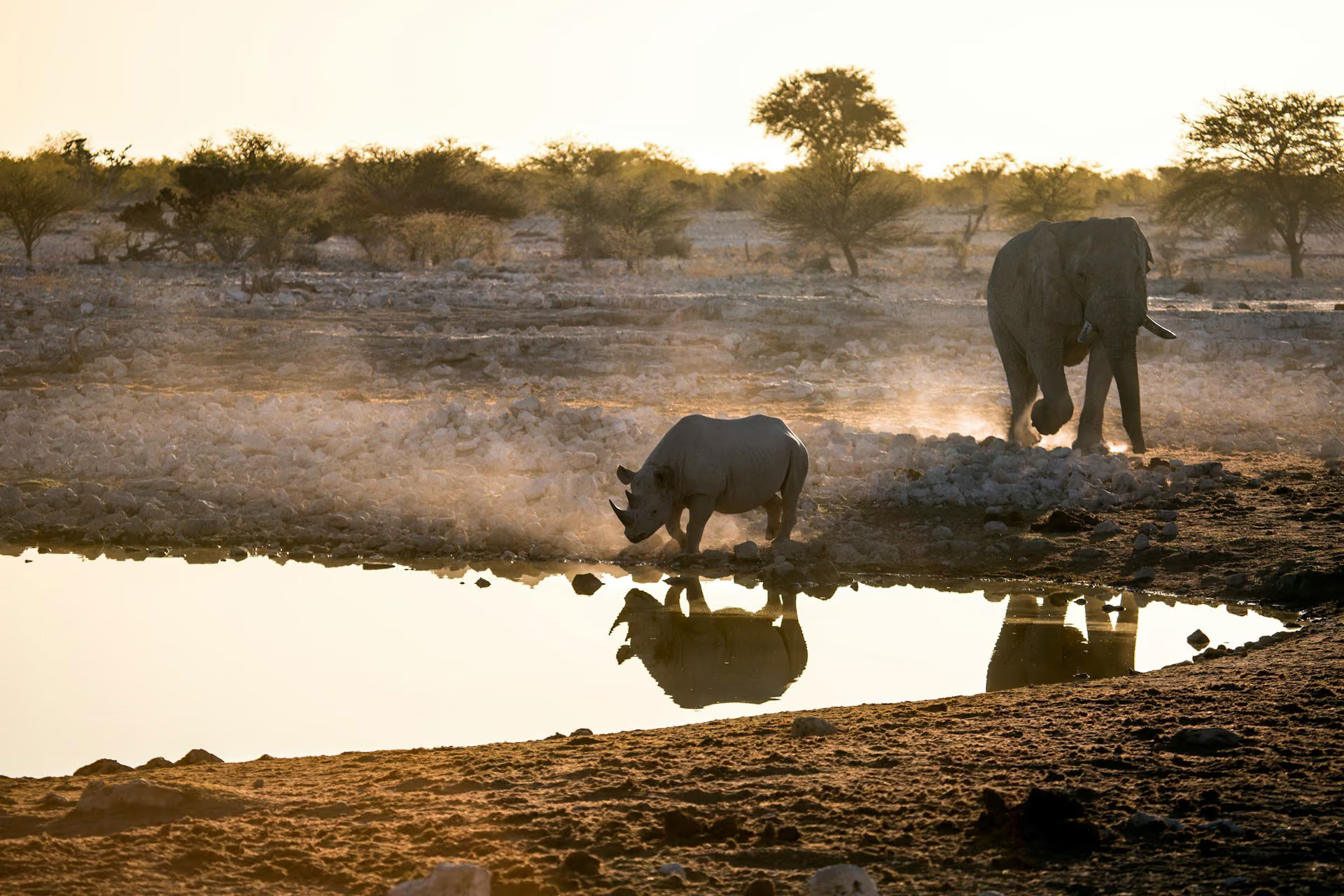
You arrive in Arusha, Tanzania's gateway city, where your guide meets you and gets you settled. From there, the first major stop is the Ngorongoro Crater, and it genuinely looks like something out of a nature documentary because it essentially is. It's a collapsed volcanic crater that now functions as a natural enclosure for elephants, lions, hippos, black rhinos, and flamingos all living in the same space. You spend two full days here, with early morning drives when the predators are most active and a picnic lunch beside the hippo pool.
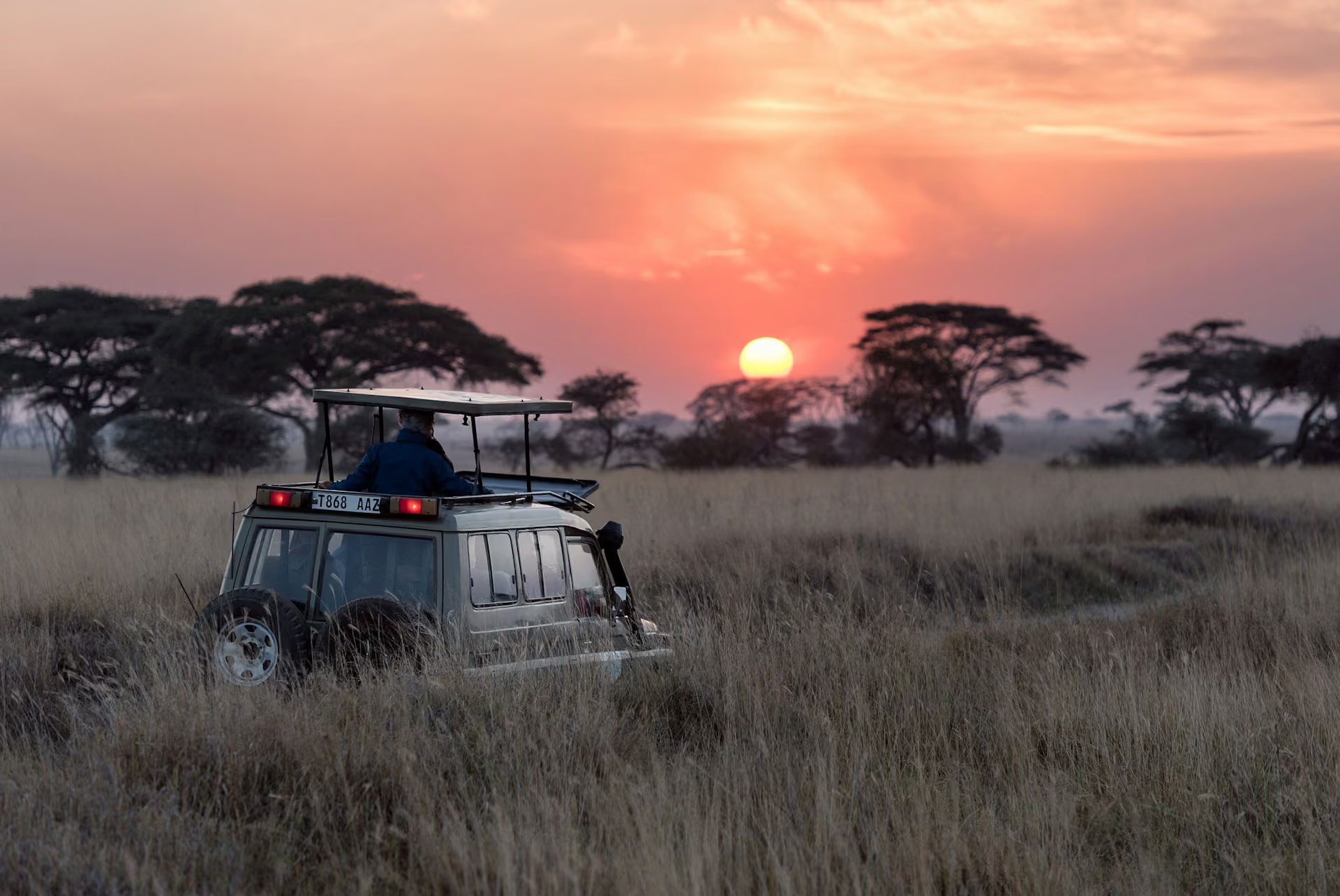
Then comes the Serengeti, and three full days is exactly the right amount of time to stop rushing between sightings and actually settle into the rhythm of safari life. One of those days is completely flexible, built around whatever pace the group wants. Early start with breakfast in the bush, or a slower morning followed by an afternoon drive through the open savannah — your call.
Day 8 is the transition everyone looks forward to. A flight from the Serengeti takes you straight to Zanzibar, and the change of scenery is immediate and completely welcome. From the wild heart of Africa to the Indian Ocean coast in a single day.
Zanzibar gets three days, and they're well earned. Stone Town on day 9 is worth half a day at minimum — the winding alleys, the spice-scented air, the history of an island that was once one of the most important trading ports in the world. Day 10 is a full free day for the beach, the water, or doing absolutely nothing. Day 11, breakfast, then home.
Why This Works So Well for Groups and Families
Safari travel is genuinely better with people you love. Waiting at a crossing point together, watching a pride of lions move through golden grass, seeing your parents' faces when elephants walk past the vehicle — these moments hit differently when you share them. The stories you bring home are better too.
Because the group is capped at 12, it stays intimate. You're traveling with a small group of like-minded people, not a busload of strangers. Private safari vehicles mean game drives move at your pace. If you want to stay at a sighting longer, you stay. No one is rushing you to the next stop on a fixed schedule.
For families bringing older parents or relatives who aren't looking for something physically demanding, the itinerary is designed with that in mind. In-camp experiences, sundowner drinks, communal dinners under the stars, and three full beach days in Zanzibar give everyone a version of this trip that genuinely works for them.
One Important Reminder: Book Early
Tanzania's best safari camps operate with limited capacity by design, and the top room types fill up months in advance. Internal flights and private game drive vehicles are the same story. If this trip is on your radar, the time to sort it out is now, not a few weeks before departure.
The Access Africa Migration Journey starts at USD 5,499 per adult, excluding flights, and includes private safari transport and game drives, 4- to 5-star accommodations throughout, all entrance fees, meals as specified in the itinerary, and your Access Expert for every single day of the trip.
This is the Africa trip worth doing. Talk to an Access Travel expert and let's start planning yours.