Why brave Manila's heat when you could be standing in front of a three-story ice palace in Hokkaido?
Every February, Sapporo transforms into a winter wonderland that feels worlds away from our tropical chaos. The Sapporo Snow Festival, running February 4–11, 2026, is one of Japan's largest winter events, drawing over two million visitors to see massive snow sculptures, illuminated ice monuments, and projection-mapping shows that turn entire city blocks into open-air galleries.
Here's what makes this trip different from most winter destinations: Sapporo isn't some remote mountain village where you're stuck dealing with complicated logistics. It's a proper city with direct subway access to the main festival sites, Michelin-quality restaurants, and the kind of luxury hotels that understand what "heated floors" really means. You can experience something genuinely spectacular, then retreat to warmth and comfort without compromising on either.
What Actually Happens at the Snow Festival
The festival started in 1950 when high school students built a few snow statues in Odori Park. Now it spans three sites across the city, each with its own vibe:
Odori Park is the main event—1.5 kilometers of giant snow and ice monuments running through the heart of Sapporo across 12 blocks. We're talking entire buildings carved from snow, elaborate replicas of world landmarks, stages with live performances. During the day, you can see the incredible detail work up close. Some of these sculptures take weeks to build by teams of artists and engineers. At night, everything lights up and projection mapping shows turn static ice into moving art. Watching a snow palace suddenly come alive with light and motion is worth every minute of cold.
Susukino leans into Sapporo's nightlife energy. The ice sculptures here are smaller but built right into the bar district—integrated into the streetscape in more intimate ways. It's less family-friendly, more atmospheric. Good for a post-dinner walk with whisky in hand, weaving between illuminated ice and Sapporo's excellent bar scene.
Tsudome is the family zone with snow slides, snow rafting, inflatable attractions, and indoor rest areas with food stalls. Most adult travelers focus on Odori and Susukino, and only add Tsudome if they enjoy playful snow activities.
The beauty of the festival being urban is that you're never stuck. Odori and Susukino are directly on the subway; Tsudome is reached by subway plus a short shuttle. See what you want, warm up in a cafe, duck into a ramen shop, then head back out. No tour buses, no rigid schedules, no being trapped somewhere when you'd rather be anywhere else.
Where to Stay (And Why It Matters)
In the City
Sapporo has proper five-star hotels that opened recently and immediately raised the bar. We're talking floor-to-ceiling windows overlooking rivers and parks, interiors inspired by Hokkaido's forests and snow, and that particular Japanese attention to detail that makes even a towel feel like a small luxury. Most are five to ten minutes from the festival sites, directly connected to subway lines.
Some sit on tower floors high above Sapporo Station with citywide panoramas that are especially dramatic at sunset when the snow starts reflecting every light source. Others offer modern luxury with a Japanese twist: basement public baths that give you the onsen experience without leaving downtown. Not traditional ryokans, but smart middle ground if you want city convenience and that "soaking in hot water while snow falls" moment.
Beyond Sapporo: Onsen Ryokans Worth the Drive
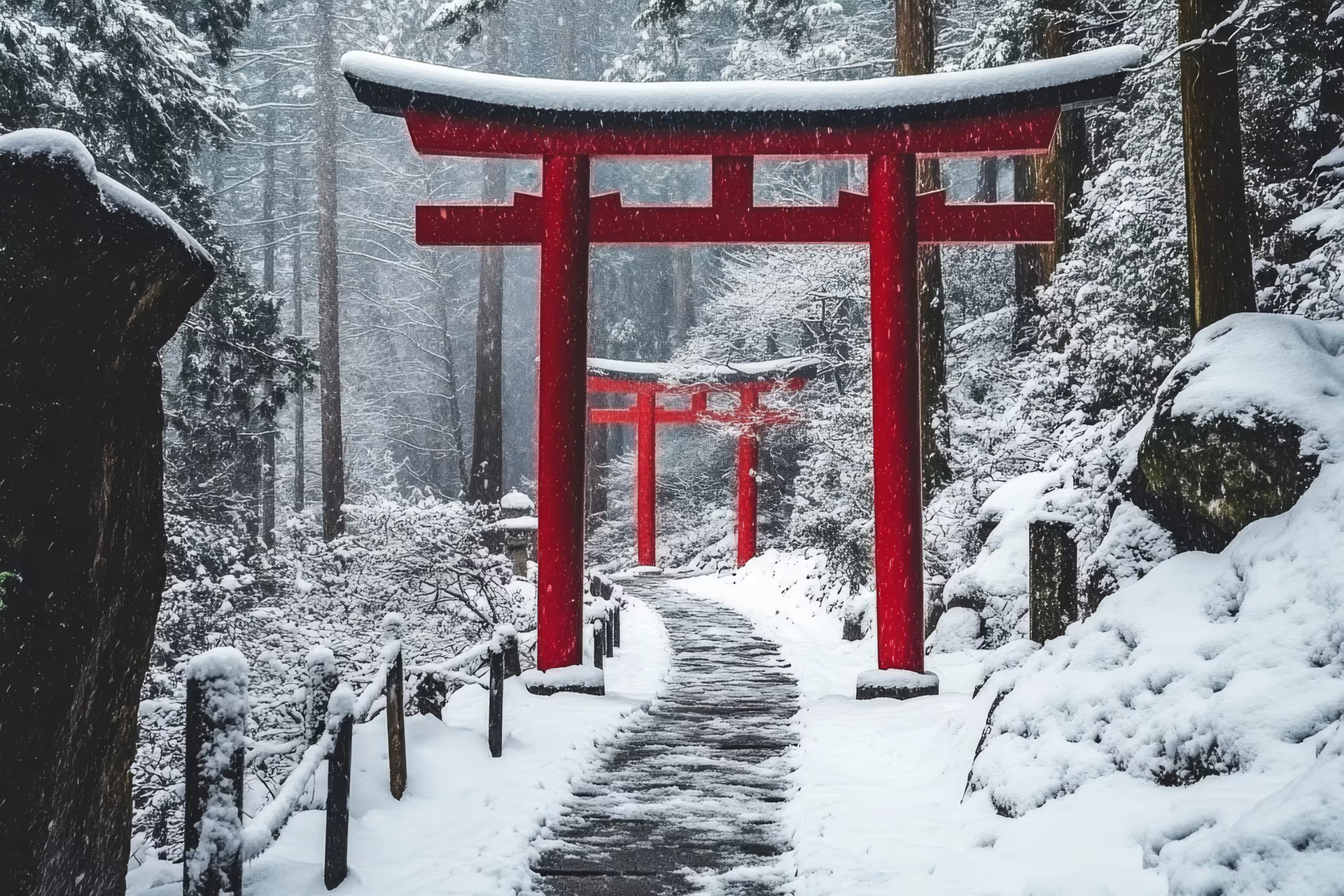
About an hour from Sapporo, Jozankei Onsen has small luxury properties with 20-30 suites, some with their own natural hot springs. Their restaurants focus on Hokkaido ingredients—ultra-fresh crab, scallops, local wagyu—presented with Tokyo-level precision but mountain views instead of skyscrapers. Spa treatments pull from Ainu culture and local nature, so it feels rooted in place rather than generically luxurious.
The wider Jozankei area has several high-end options with private hot springs and river or valley views. These work beautifully as 1–2 night add-ons after your city stay—enough time to reset without derailing your itinerary.
For Longer Trips: Niseko and Beyond
If you've got 7–10 days, consider extending into wider Hokkaido. Niseko has ultra-private villa-style ryokans with in-room onsen, plus high-end ski hotels that combine powder skiing with serious dining and spa facilities. Think Park Hyatt and Ritz-Carlton Reserve level, but with that particular Japanese approach to service.
Further out, Lake Akan and Tokachi have properties with suites featuring private hot springs, quiet lakeside or riverside settings, and kaiseki menus built from what's actually in season—not what tourists expect to see. This is where you go when you prioritize wellness and want to be left beautifully alone.
What to Actually Do (Beyond the Obvious)
Walk Odori Park twice. Once during the day to appreciate the craftsmanship—these aren't just big piles of snow, they're engineered structures with incredible detail work. Then again at night for the illuminations. The projection mapping shows run throughout the evening until 22:00. Watching a static monument suddenly transform with light and motion makes the cold completely worth it.
Hit Susukino after dark. The ice sculptures are smaller but the atmosphere is better. Pair it with Sapporo's bar scene—craft beer from local breweries, whisky bars that take their selection seriously, izakayas where the food is as good as the drinks.
Eat strategically. Hokkaido does crab, scallops, uni, miso ramen, soup curry, and dairy products that make Manila's cream taste like water. You'll find all of this at festival food stalls—the smoke from grills, the steam from soup pots, vendors calling out. But the real joy is bouncing between casual and refined. A bowl of ramen at 2 PM, perfect for warming up between sculpture sites. Then a multi-course kaiseki dinner at 8 PM where every ingredient is sourced from somewhere specific in Hokkaido and the chef can tell you exactly where.
A lot of luxury hotels and ryokans now run farm-to-table or sea-to-table menus. Not fusion, not trendy—just exceptional ingredients treated right. Hokkaido seafood is some of the best in Japan, and wagyu from this region has its own following.
Build in onsen time. Whether it's a day trip to Jozankei or an overnight at one of the wider Hokkaido properties, soaking in an open-air hot spring while snow falls around you is the winter antidote we don't get at home. Some places have private in-room onsen where you control the temperature and timing. Others have larger communal baths with views over valleys or lakes. Both are restorative in a way beach resorts rarely manage—you're actually cold before you get in, so the heat hits different.
The Practical Stuff Nobody Tells You
Timing matters more than you think. Book 6–9 months ahead if you want top suites and ryokan rooms during the festival. Sapporo hotels fill fast, and the best properties cap their rooms at 20–30 to maintain the experience.
Getting there is straightforward. Direct flights from Manila to Tokyo, then domestic connection to New Chitose Airport. From there, 35–40 minutes by rail to central Sapporo. The subway system is clean, efficient, and links directly to Odori and Susukino festival sites. Signs are in English and Japanese. Even if you don't speak the language, navigation is manageable.
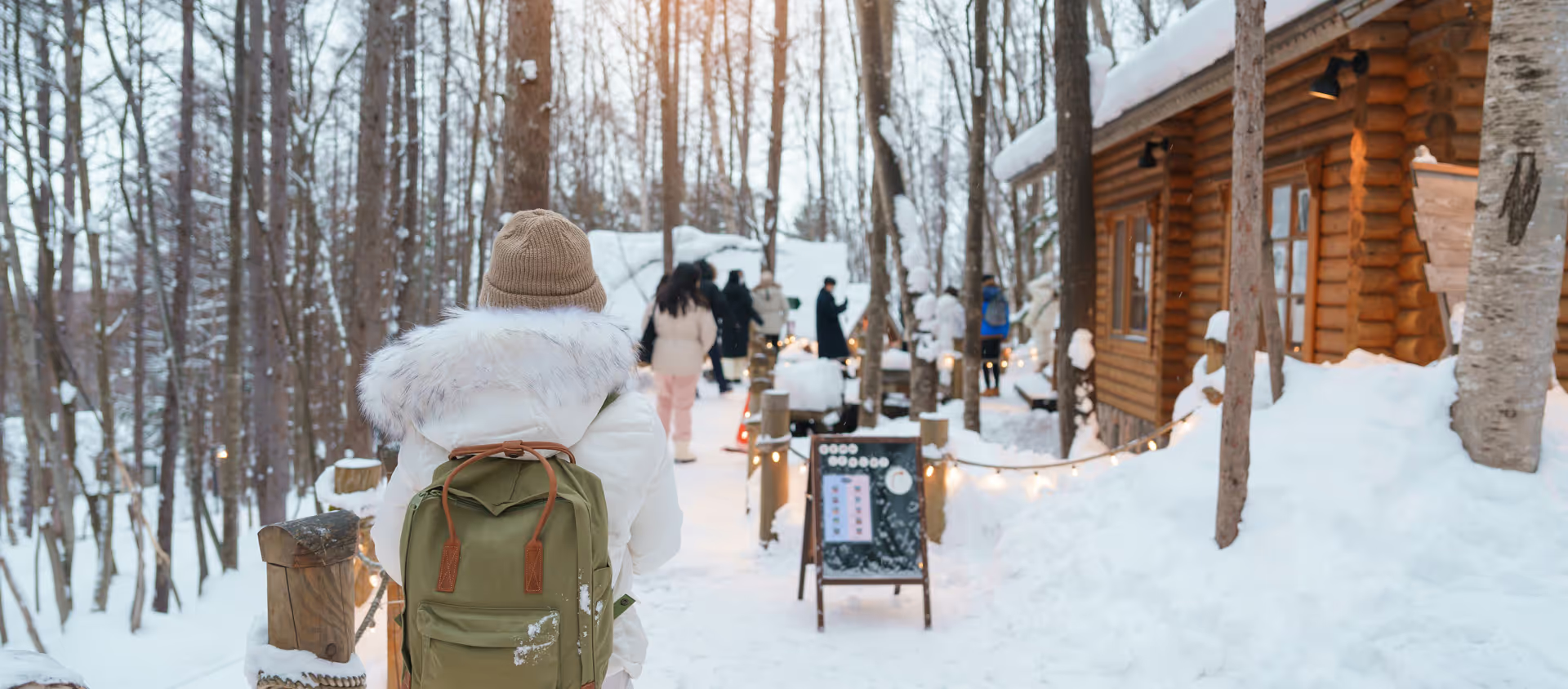
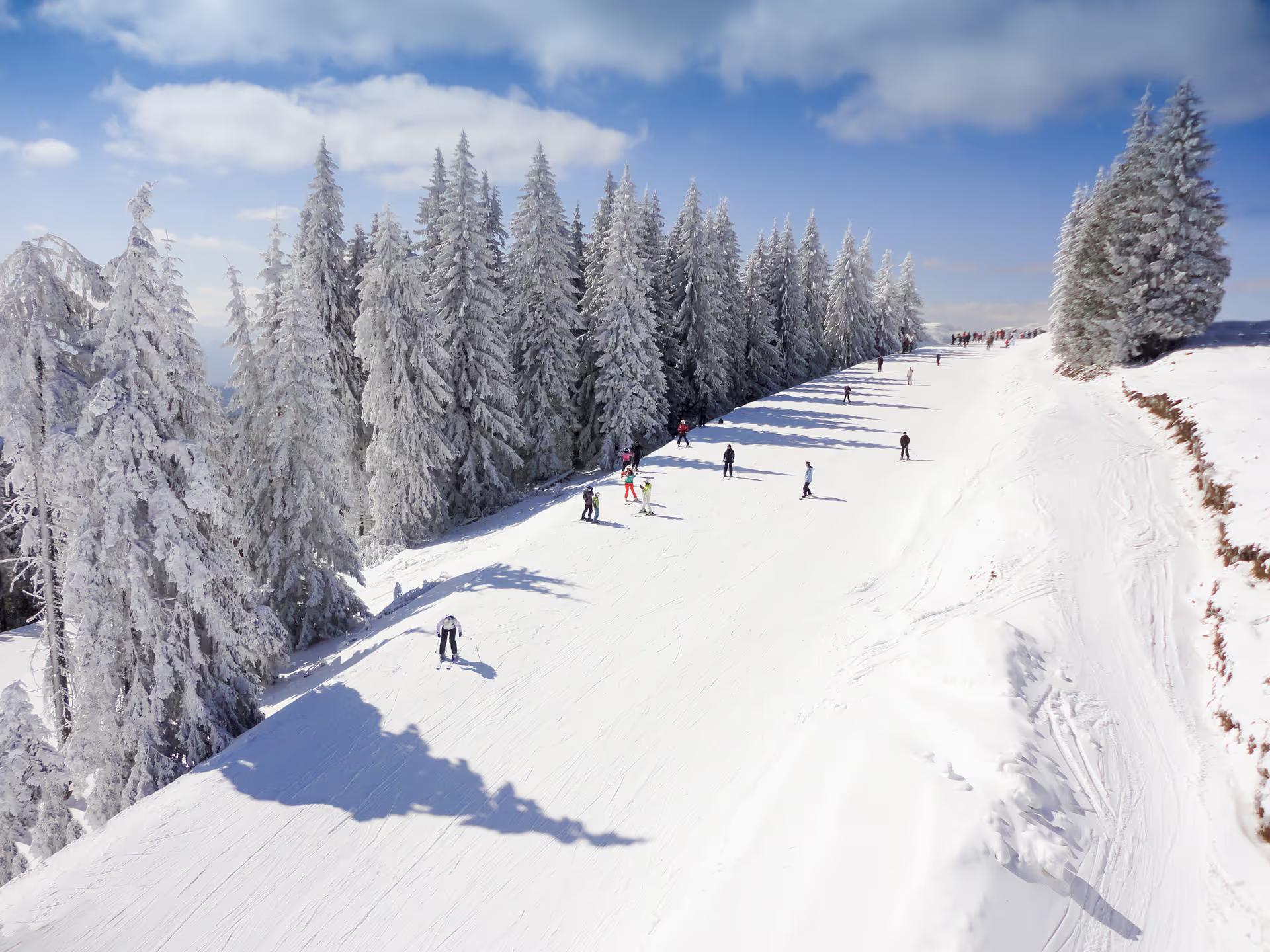
Weather is serious. This is deep winter. Sub-zero temperatures, snow accumulation, ice underfoot. You need warm boots with good traction, thermal layers that actually work, and a proper winter coat—not the lightweight jacket you wear when Manila's AC is too cold. We're talking the kind of cold that makes heated train stations feel like a gift. The kind where your breath is visible and your face hurts after ten minutes outside.
But here's the thing: Japanese infrastructure is built for this. Hotels have heated floors. Train stations are climate-controlled. Even outdoor festival areas have warming stations and hot drink vendors everywhere. You're never more than a few minutes from warmth.
Itinerary sweet spot: 3–4 nights in Sapporo gives you time to see the festival by day and night, fold in an onsen day trip, and have buffer days for weather delays or jet lag recovery. You're not rushing, you're not bored. Longer trips (7–10 days) can extend into Niseko for skiing or the onsen regions for wellness without feeling packed.
Why Sapporo Works for Luxury Travelers
Most winter festivals trade comfort for spectacle. You get the amazing views and cultural experience, but you're stuck in remote locations with limited dining options, basic accommodations, and complicated logistics.
Sapporo is different. You get festival energy—massive ice sculptures, projection shows, street food, crowds of people experiencing something together. But you also get privacy. Five-star hotels with rooms that overlook the festival sites. Restaurants where you need reservations weeks in advance. Onsen ryokans where no one's asking you to participate in group activities or share your dinner table.
It's a once-in-a-lifetime trip that doesn't require you to sacrifice comfort, navigate impossible logistics, or pretend you enjoy being cold all the time. You get the wow moments—three-story snow palaces, open-air hot springs under falling snow, seafood so fresh it's almost obscene—without the usual winter travel compromises.
After years of tropical heat, there's something deeply satisfying about standing in front of a massive ice sculpture, breath visible in the air, knowing you've booked yourself into a hotel with heated floors and a kaiseki dinner waiting. You're cold because you chose to be, not because you have no other option.
Why Book With Access Travel
Look, you could try to plan this luxury Hokkaido winter itinerary yourself. But the reality is the best ryokans don't show up on booking sites, train schedules are in Japanese, and figuring out which festival sites to prioritize when you only have limited time isn't obvious from Google.
We've been running Japan trips for years. We know which properties balance luxury with authenticity, which have the best private onsen, and which restaurants are worth the splurge versus those that are just expensive because they're in guidebooks. We work with local guides who can explain cultural context in a way that makes sense, not just recite facts from a script.
We handle the parts that would stress you out—booking accommodations that fill up months in advance, coordinating transportation between cities, and making sure you don't waste half a day lost in translation. You arrive, experience the festival, soak in hot springs, eat excellent food, and take photos. That's it.
Ready to plan your Sapporo journey? Let's build an itinerary that balances festival highlights with the luxury and quiet Hokkaido does best. Explore our Sapporo experience here or go private.