Open a few safari websites and the prices will not agree. One quotes 150 dollars a day, the next quotes 2,500, and somewhere in between sits the trip you actually want. The confusion is normal, because safari pricing shifts with where you go, when you travel, and how you do it. This Africa safari FAQ clears up the questions that matter most before you commit: what a safari really costs, when to go, how long to stay, and whether it is safe.
The answers below lean toward first-time travelers, with the kind of practical safari tips that tend to get lost in glossy brochures. For the wider view of planning and logistics, our guide to Africa safari travel goes deeper.
How Much Does a Safari Cost
The honest answer is that it depends, but the ranges are more predictable than they first appear. Safari cost is usually quoted per person, per day, and it tracks closely with your comfort level and your destination.
These are land-only figures, which is where most published quotes quietly mislead. An all-inclusive safari rate generally covers your accommodation, all meals, twice-daily game drives with a guide, park and conservation fees, and local transfers. It usually leaves out international flights, premium drinks, travel insurance, gorilla permits, and gratuities, which run roughly USD 10 to 25 per guest per day for guides and staff combined.
Two things move the number most. The first is destination: South Africa remains the most accessible entry point thanks to its roads and infrastructure, while East Africa climbs higher during the migration months. The second is season, which is worth understanding before you fix any dates.
Best Time to Visit
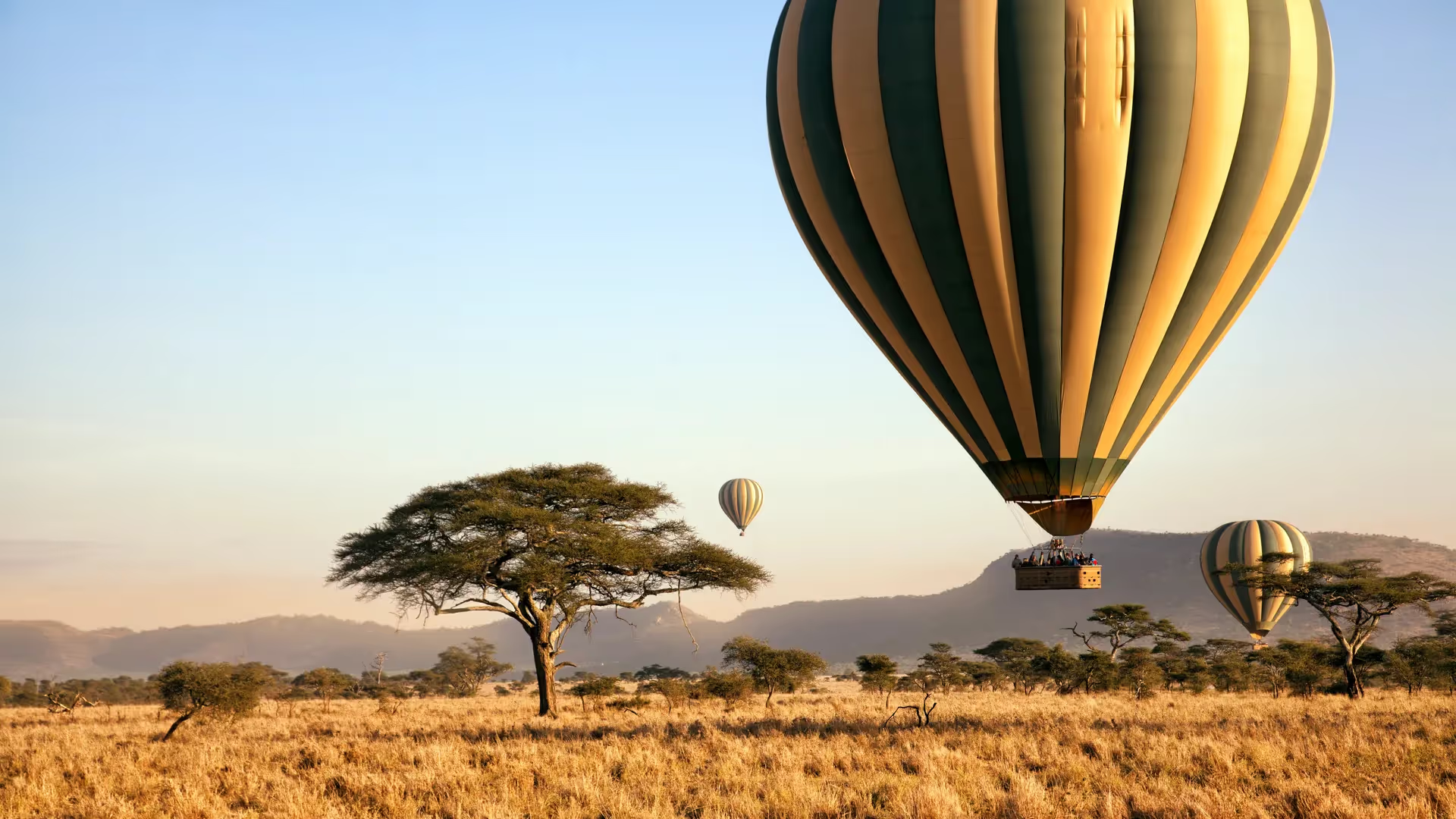
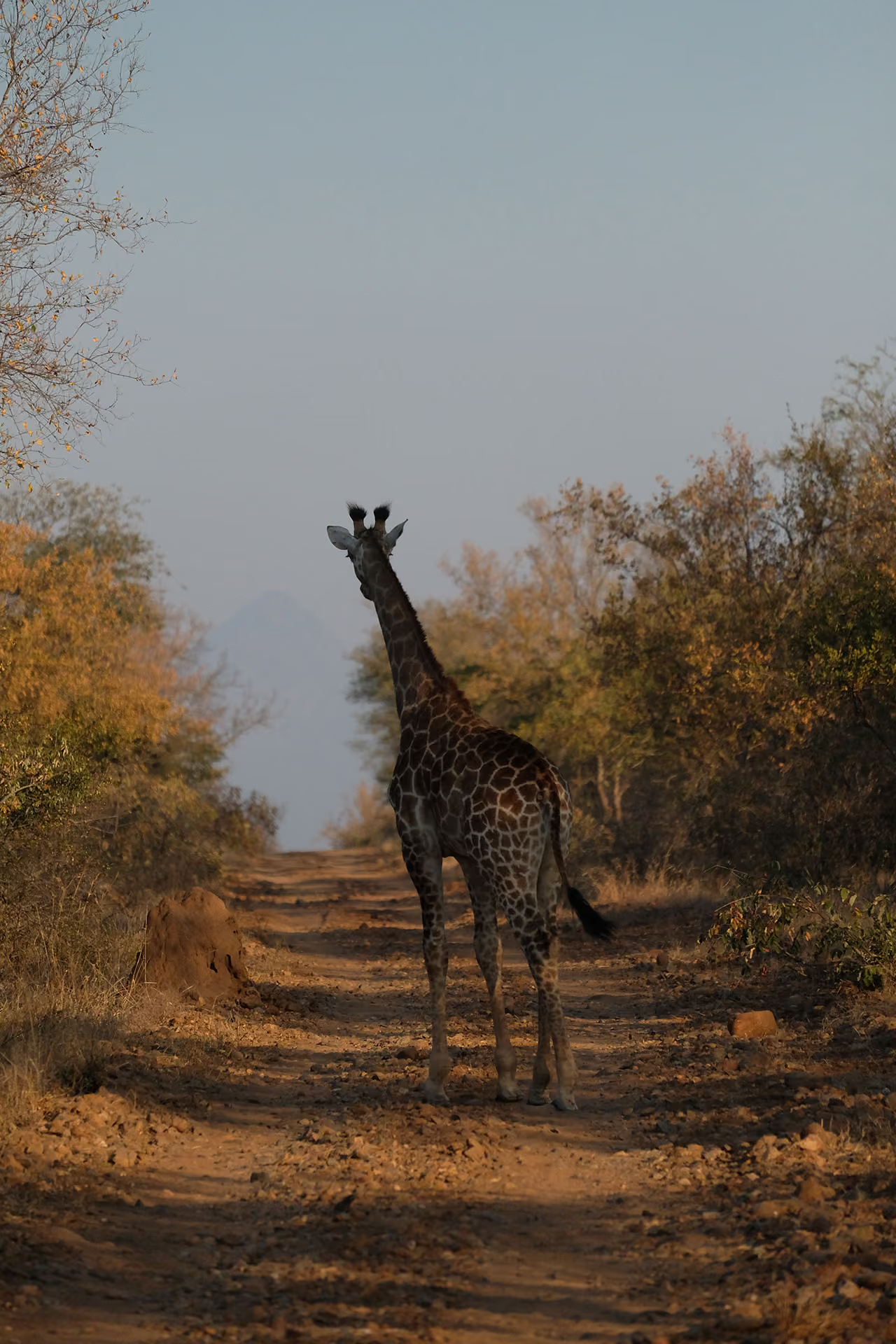
For game viewing, the dry season wins almost everywhere. As water grows scarce and the bush thins out, animals gather around rivers and waterholes, which makes them far easier to find. Across most of the continent that means roughly May to October.
A few distinctions are worth knowing:
- The peak months of June to September deliver the most reliable sightings, along with the largest crowds and the highest rates.
- The Great Migration moves through Kenya's Maasai Mara and Tanzania's Serengeti from about July to October.
- The green and shoulder seasons, broadly November to April in Southern Africa, bring lower rates, lush scenery, newborn animals, and fewer people, though the thicker bush can disperse wildlife.
Timing shapes the entire route, not just the price, so it is worth settling early. Our sample Africa safari itinerary shows how the seasons map onto specific regions.
How Many Days to Stay
Seven to 10 nights is the sweet spot for a first safari. That gives you time to settle into the rhythm of the bush without the fatigue of constant movement. A shorter 4 to 6 night trip can absolutely work, as long as you stay put rather than hopping between parks.
The rule that matters more than total length is this: limit a first trip to two safari areas at most, and stay at least two nights in each. A single-night stop sacrifices your arrival afternoon and departure morning, which happen to be two of the best game-viewing windows of the day. Depth in one or two places nearly always beats a rushed tour of five.
Is It Safe to Travel
Yes, with the same common sense you would apply to any major trip. Millions of travelers safari across Africa every year without incident, and a few simple habits cover most of the risk.
- In cities, take the usual precautions you would anywhere: watch your belongings, use trusted transfers, and stay aware after dark.
- On game drives, stay in the vehicle, keep your voice low, and follow your guide. Guides read animal behavior for a living, and lodges are set up with wildlife in mind.
- For health, know that some areas are malaria zones (much of Kruger and the lowveld, parts of East Africa) while others are malaria-free, including Cape Town, the Garden Route, and reserves such as Madikwe and Pilanesberg. Speak with a travel health clinic about antimalarials and routine vaccinations before you go.
- For driving, self-driving the paved routes in Kruger is straightforward, while guided drives are the norm and the safer choice for first-timers in East Africa.
A guided safari, in particular, is one of the most controlled travel experiences you can have. Almost every variable is handled by people who do this daily.
FAQs
A few shorter Africa travel questions that come up again and again:
Do you need a 4WD? Not for the main, paved routes in Kruger. Anywhere off-road, your guide handles the vehicle, so it is rarely your concern.
Can you bring children? Many lodges welcome families, though some set age minimums for game drives, often around 6 or 12. Malaria-free reserves like Madikwe and Pilanesberg are popular family choices for good reason.
What should you pack? Neutral, earth-tone layers, binoculars, a longer camera lens, and a soft-sided bag if your route includes light aircraft. Skip bright colours and camouflage patterns.
How far ahead should you book? Six to 12 months for peak season, since the best camps are small and fill early. Gorilla permits should be secured 3 to 6 months out, as they sell out.
Is tipping expected? Yes, it is customary. Budget roughly USD 10 to 25 per guest per day in total for your guides and lodge staff.
Every safari answer eventually circles back to the same truth: the right trip depends on your dates, your pace, and what you most want to see. That is exactly what we design around. Explore our Access Journeys to see how a trip comes together, or bring your questions to an Access Expert and we will turn them into a plan that fits.