A common assumption trips up a lot of first-time safari planners: that the Great Wildebeest Migration is a permanent fixture of the Masai Mara, ready to be witnessed on any visit, any time of year. It is not. The herds spend most of the year in Tanzania's Serengeti, and they only cross into Kenya for a window of a few months. Get the timing wrong, and the trip is still extraordinary. Get it right, and it becomes something else entirely.
That single piece of expectation-setting says a lot about what makes a first Kenya safari go well. It is less about picking a destination and more about understanding the rhythm the country runs on: when the animals move, what a private itinerary actually includes, and how to prepare so nothing about the experience feels improvised. Here is what to know before booking.
Why Kenya for Your First Safari
Kenya is where the modern safari concept was born, and it remains one of the most dependable places on the continent to have a first wildlife encounter. The Masai Mara National Reserve delivers Big Five sightings with a consistency few other reserves can match, which takes the pressure off a first-timer's biggest unspoken worry: coming home without having seen what they came for.
The country also rewards travelers who want more than a safari-only trip. Nairobi's culture and conservation sites bookend a Mara itinerary naturally, and for those who want to extend, the coast at Diani or a beach close in Mombasa turns a wildlife trip into a fuller journey. It is a country built for a traveler's first safari precisely because so little about the logistics is left to chance.
Best Time to Visit (Migration Seasons)
Kenya runs on two dry seasons and two rainy seasons. The long dry season, from June through October, is the one most safari planning revolves around, and for good reason: thinning vegetation and shrinking water sources concentrate wildlife around visible watering points, making sightings easier across the board.
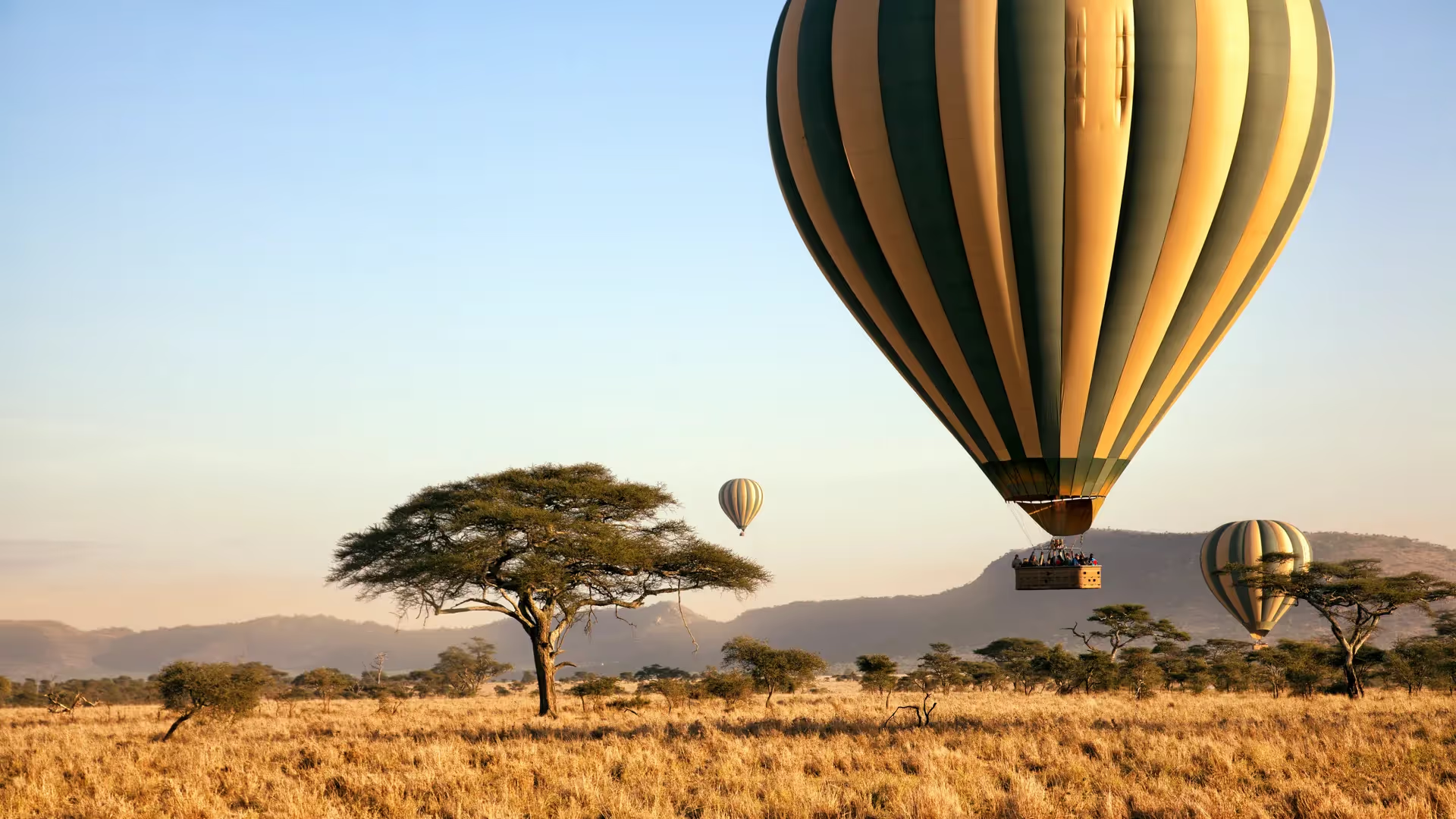
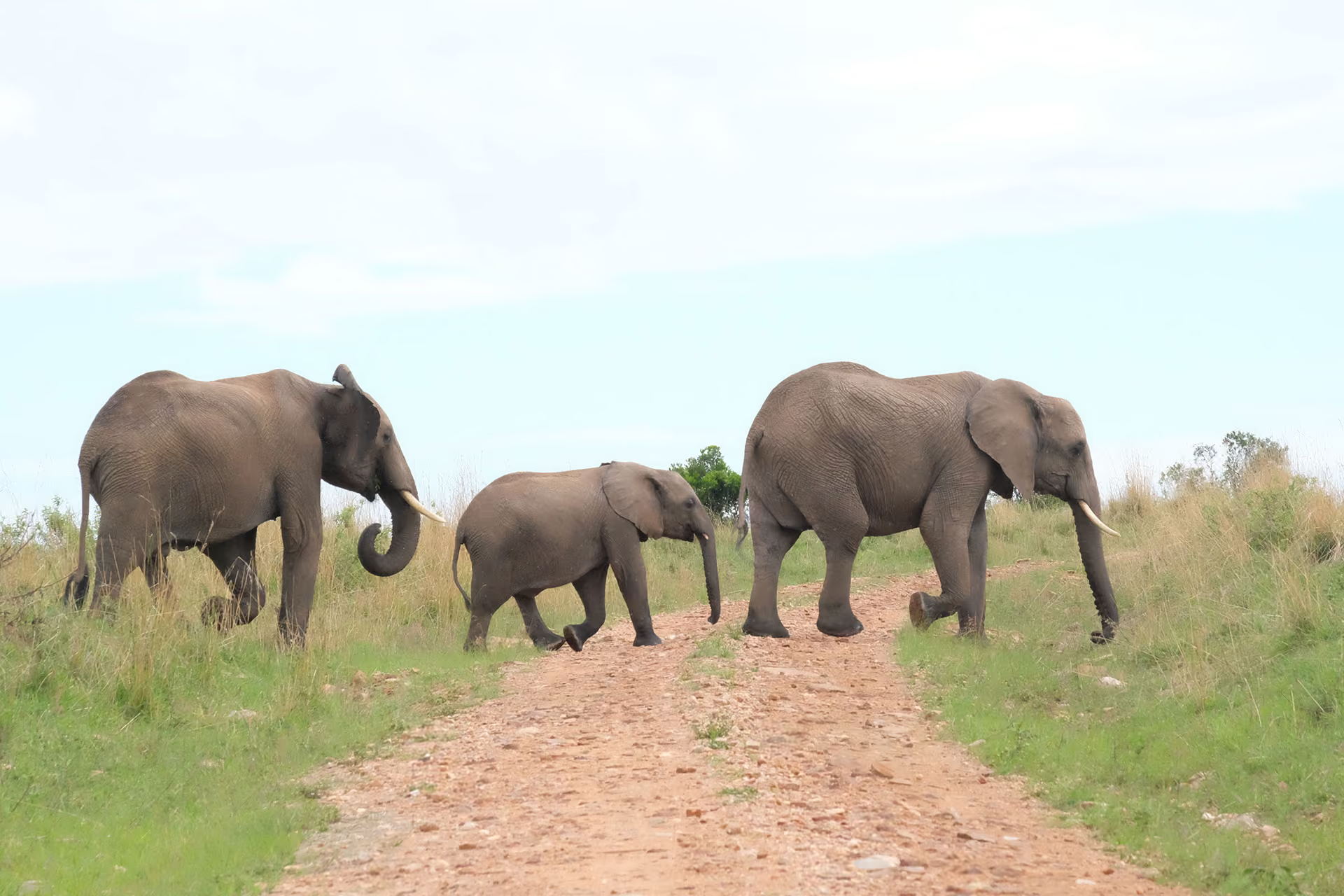
Within that window, mid-July through October is when the migration itself is active in Kenya. Wildebeest and zebra herds begin crossing the crocodile-filled Mara River from Tanzania's Serengeti in mid-July, numbers peak through August and September, and the herds begin moving back south in October. This is the highest-demand period on the Kenya safari calendar and also the most expensive and crowded, so early booking matters if a river crossing is the goal.
January and February offer a quieter alternative. It is still dry season, wildlife viewing stays strong, and the crowds thin out considerably compared to the July-to-October peak. The long rains, April through May, turn the Mara green and lush, rates drop, and some camps close entirely, though certain roads and airstrips can be harder to navigate. The short rains in November and December bring a similar shoulder-season value, with the added draw of newborn wildlife across the plains, particularly in the first two weeks of December before the rains intensify.
Filipino passport holders should also plan around Kenya's entry process. As of January 2024, Kenya replaced its visa system with an Electronic Travel Authorisation, so a traditional visa is no longer what to apply for. The eTA is submitted online, should be filed at least a few business days ahead of travel, and covers a single entry for stays of up to 90 days. A yellow fever certificate is only required if arriving from or transiting through a country with yellow fever risk, which does not apply to travelers flying directly from the Philippines.
What a Custom Safari Includes
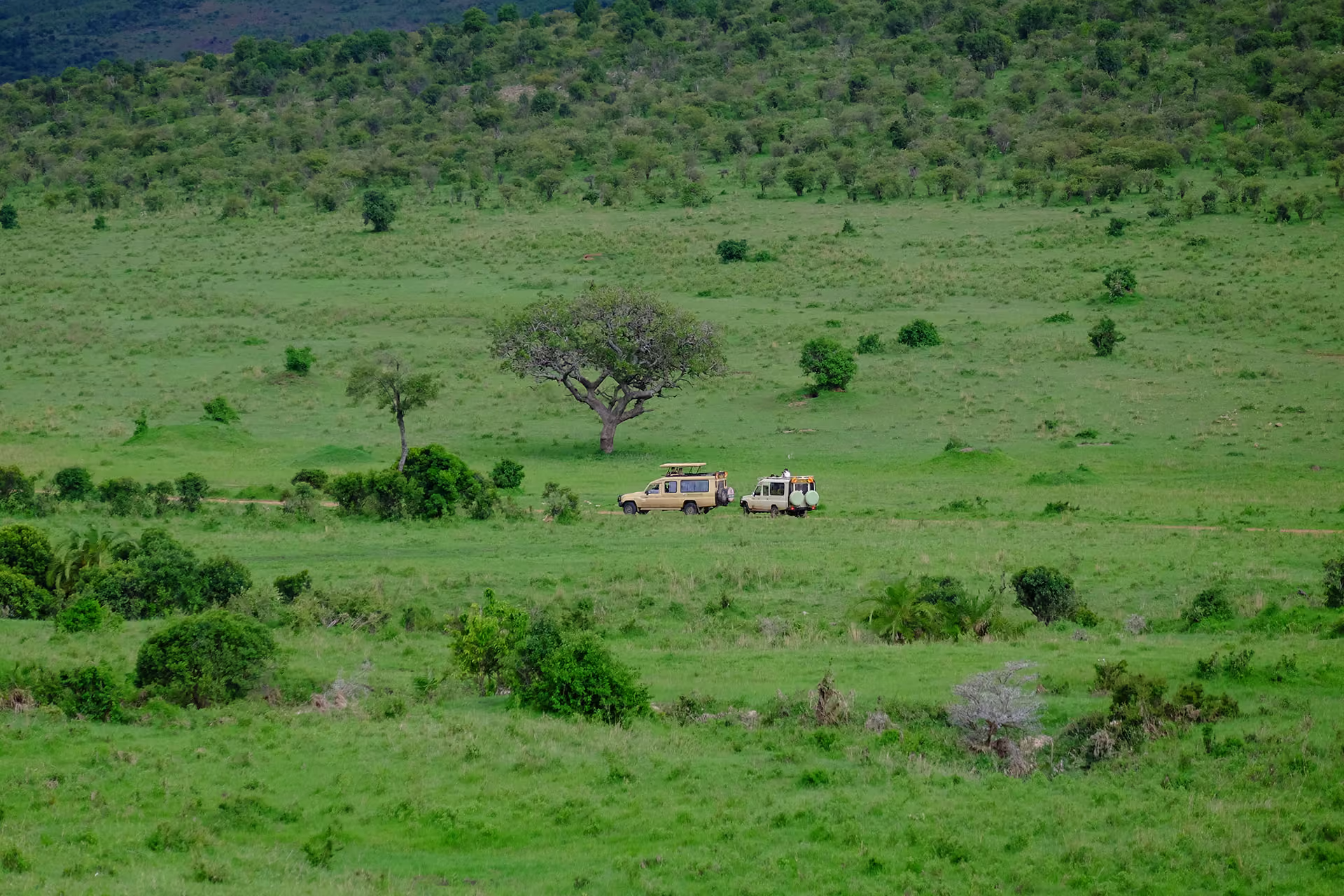
A well-built private safari removes the guesswork of piecing together flights, lodges, and permits separately. Our own Kenya Journey is a useful reference for what that looks like in practice: ten days that open in Nairobi, fly directly into the Masai Mara for several days of morning and afternoon game drives, then return to Nairobi for a day trip to Lake Naivasha and Hell's Gate National Park, a city tour that includes the David Sheldrick Elephant Orphanage and the Giraffe Centre, and time to shop before departure.
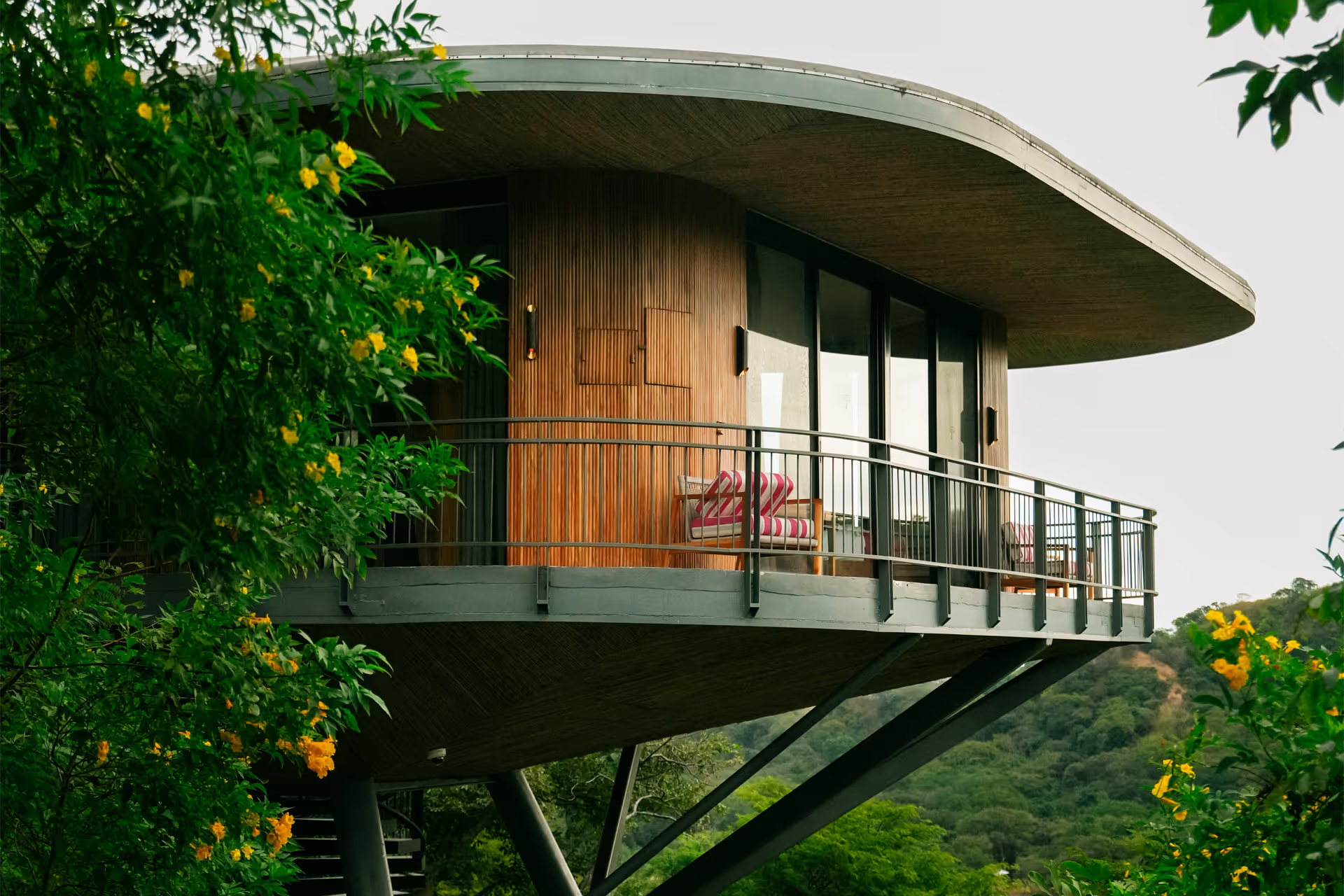
Across a custom itinerary like this, a few things are typically bundled into the experience rather than booked separately: private game drives with a professional guide, four to five-star accommodations, private transportation for the full trip, entrance fees to listed attractions, and meals as specified along the way. Domestic flights between Nairobi and remote camps are common too, since many lodges depend on small aircraft with limited luggage allowances. Travelers who want more exclusivity beyond the main reserve often add a private conservancy into the mix, where lower guest density allows for activities like Maasai-led walking safaris that are not permitted inside the reserve itself.
For travelers drawn to a slower kind of trip, a growing number of Masai Mara camps now pair the standard safari rhythm with wellness elements: daily game drives alongside yoga, meditation, or spa time. It is worth a look at our Wellness Reset page if that kind of pacing appeals.
What to Pack
Packing for a Kenya safari is simpler than most first-timers expect, and the luxury tier of camps and lodges is considerably more comfortable than the word "safari" tends to suggest. A few principles cover most of it: pack light, choose neutral earth tones like khaki, olive, and beige over bright colors, and layer for the swing between chilly early mornings and warm midday drives. Camouflage-patterned clothing should be left at home, since several East African countries reserve that pattern for military and police use.
A practical list to work from:
- Lightweight, quick-drying long sleeves and trousers for sun and insect protection, plus a fleece or light jacket for cool mornings
- Comfortable walking shoes for camp activities, plus sandals for around the lodge
- A broad-rimmed hat, SPF 50 sunscreen, and polarized sunglasses
- Insect repellent, a basic first-aid kit, and any personal prescription medication
- Camera gear, binoculars, spare batteries or a power bank, and a universal or Type G plug adapter
- A soft-sided duffel rather than a hard suitcase, since small aircraft to remote camps typically enforce strict weight limits, often around 15 kilograms
- One smart-casual outfit for dinner at upscale lodges
Kenya has also banned single-use plastics inside its protected areas since 2020, covering national parks, reserves, and beaches. Disposable water bottles, cutlery, straws, and plastic bags are not permitted inside these areas, so a reusable water bottle and containers are worth packing from the start.
Booking Your Kenya Journey
The details above are the ones that trip up first-time safari travelers most: timing the migration correctly, understanding what a private itinerary actually covers, and packing for a trip that turns out to be far more comfortable than expected at the luxury tier. None of it needs to be figured out alone.
An Access Expert can walk through the trade-offs between migration season and the quieter months, build a Kenya itinerary around a Nairobi start and end, and handle the eTA, camp selection, and logistics from the first flight to the last. Explore Private Tours to start designing a Kenya journey built around your own pace.