Most safaris begin with a picture in your head. It might be a lion stretched across a termite mound at first light, or thousands of wildebeest pouring down a riverbank, or an elephant wading through clear water in a delta. That picture is more useful than it sounds, because each of Africa's great safari regions delivers a different one, in a different month.
An African safari from the Philippines is a long trip, and the details shape the experience: which country, which camp, which season, and how you move between them. This guide covers the best African safari destinations for a first or return visit, how to plan a luxury African safari around them, when to go, what a luxury safari actually includes, and how the planning works from the Philippines.
Which African Safari Destination Is Right for You?
There is no single best country. The right one depends on what you want to see, how you like to travel, and how much of the trip you want to spend in the bush versus elsewhere.
Kenya and Tanzania for Classic Wildlife Safaris
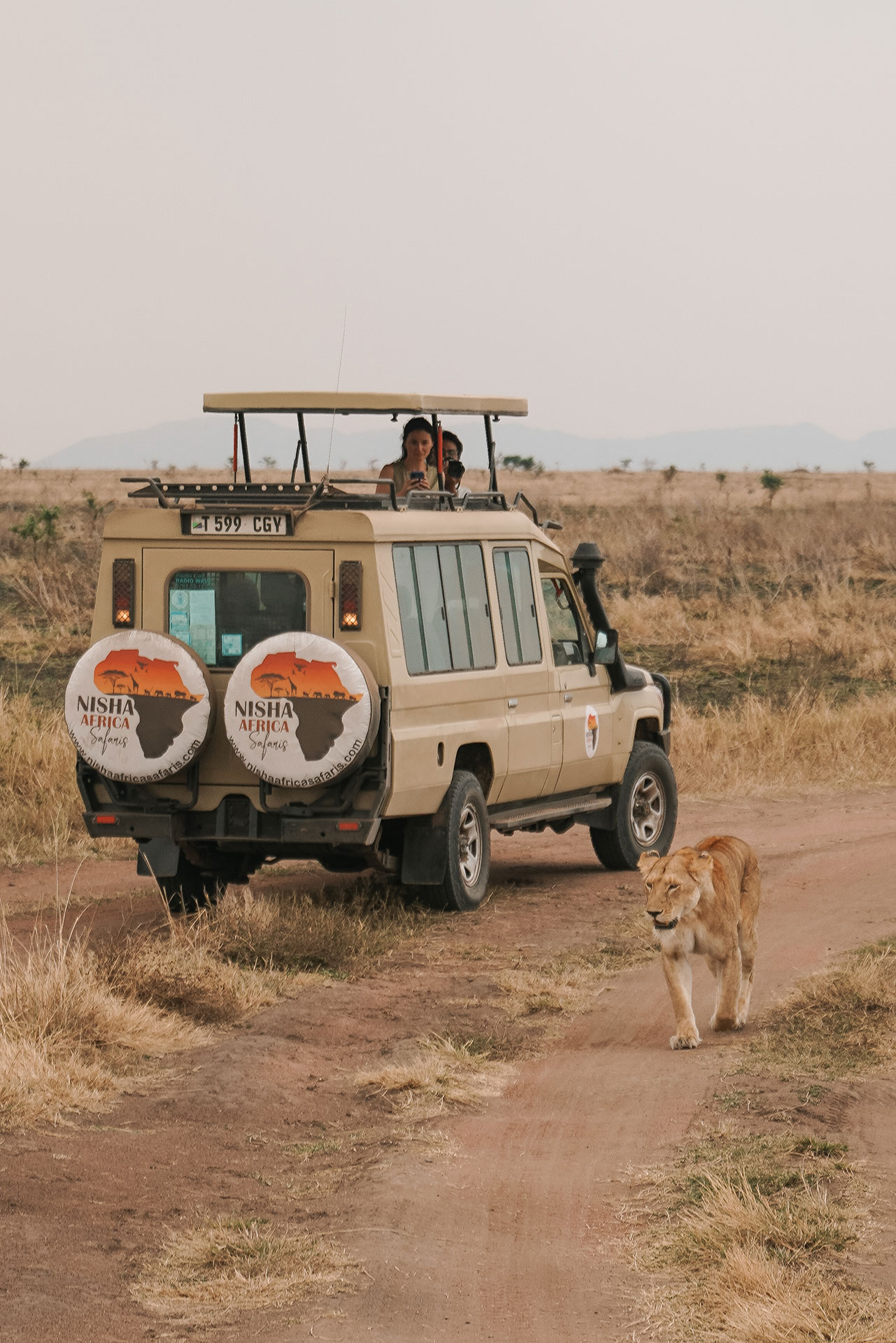
East Africa is where most people picture a safari with wide golden plains, acacia trees, and some of the densest concentrations of wildlife on earth. Kenya's Maasai Mara and Tanzania's Serengeti are one connected ecosystem, split by a border, and together they host the Great Migration.
In Kenya, the Mara is the headline, and the private conservancies that border the reserve are where a luxury safari really opens up. Camps there limit the number of vehicles at each sighting, and many allow night drives and guided walks, which the main reserve does not. Amboseli adds elephants with Kilimanjaro in the background, and Laikipia and Samburu in the north bring species you won't see in the south.
Tanzania covers more ground. The Serengeti is vast, and the Ngorongoro Crater gives you a full day of game viewing inside the walls of a collapsed volcano. Tarangire, with its baobabs and large elephant herds, is quieter and often underrated. Many travelers end in Zanzibar for a few slow days by the Indian Ocean.
East Africa suits first-time safari travelers, photographers who want the Migration, and anyone who wants the classic open-plains experience. Our Kenya Journey and Tanzania Great Migration Journey are both built around this region.
South Africa for Wildlife and City Experiences
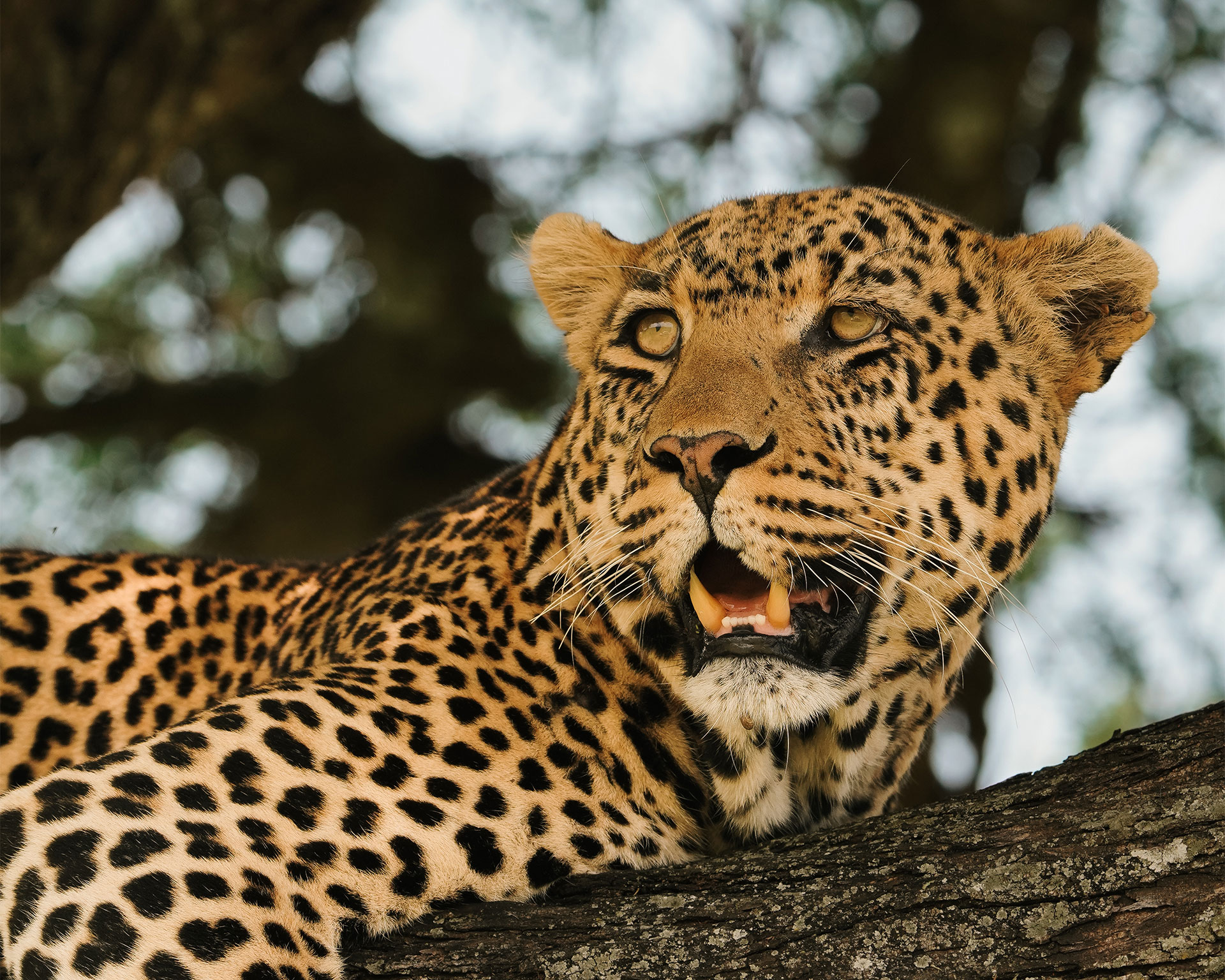
South Africa is the easiest way to combine a safari with everything else. The private reserves bordering Kruger National Park, such as the Sabi Sand, are known for leopards that have grown used to vehicles, giving you close, unhurried sightings from open-sided Land Cruisers. Lodges here run at a high standard, with private plunge pools, serious wine lists, and rangers paired with trackers who read the ground as you drive.
The other half of the trip covers Cape Town, the Stellenbosch and Franschhoek winelands, and the Garden Route along the coast. Few countries let you go from a dawn game drive to a long lunch in a vineyard within the same trip.
For families with young children, South Africa also has malaria-free reserves such as Madikwe, which removes one layer of planning. South Africa suits honeymooners, families, food and wine lovers, and anyone who wants the safari as one chapter of a larger journey.
Botswana for Remote Wilderness Experiences
Botswana is the most exclusive of the four. The country has deliberately kept tourism low-volume, with small camps set inside large private concessions, so you can drive for hours and see no other vehicles. The Okavango Delta is the centerpiece, a flooded inland delta where you glide between papyrus and lily pads in a mokoro, a traditional dugout canoe, and watch elephants cross channels in front of you.
Chobe, to the north, has some of the largest elephant herds on the continent and is best viewed from a river boat at sunset. Linyanti and the Kalahari add predators and desert landscapes. Getting between camps means flying in small aircraft, turning every transfer into a low flight over the delta.
Botswana suits return safari travelers, couples who want privacy, and anyone who values solitude over volume.
When Is the Best Time to Go on an African Safari?
In most of East and Southern Africa, the dry season from about June to October offers the best game viewing. Grass is short, water is scarce, and animals gather near rivers and waterholes, making them easier to find. It is also peak season, so the best camps book early.
The Great Migration follows its own calendar:
- January to March - calving season in the southern Serengeti, around Ndutu. Hundreds of thousands of calves are born within a few weeks, which draws predators close.
- April to June - the herds move north through the central and western Serengeti.
- July to October - river crossings and the Maasai Mara. The herds usually reach Kenya in July, and Mara River crossings run through September and into October.
- November to December: the short rains begin, and the herds return south into Tanzania.
Elsewhere, Botswana's Okavango floods peak from June to August, when water levels are highest even though it is the dry season, and July to October is prime for game viewing. In South Africa, the dry winter months of May to September are best for Kruger, while Cape Town is at its warmest from November to March. A combined trip often works best in the shoulder months around October and November.
The green season, roughly November to May, brings lower rates, newborn animals, dramatic skies, and far fewer vehicles. The trade-off is thicker bush and some afternoon rain. In East Africa, many camps close during the long rains in April and May.
What to Expect from a Luxury Safari
Luxury safari holidays run on a rhythm that surprises most first-timers. Days start early, often with coffee by the fire before sunrise, then a morning game drive while animals are most active. You return for a late breakfast, rest through the midday heat, and head out again in the late afternoon. Most evenings end with a sundowner somewhere with a view before dinner at camp.
Camps are small, often between six and twelve tents or suites, and "tent" usually means canvas walls around a full bedroom, an en-suite bathroom, an outdoor shower, and a deck facing the bush. Meals, house drinks, and laundry are typically included. Your guide is the most important part of the experience, and at the best camps they stay with you for your entire stay, learning what you want to see and how you like to spend the day.
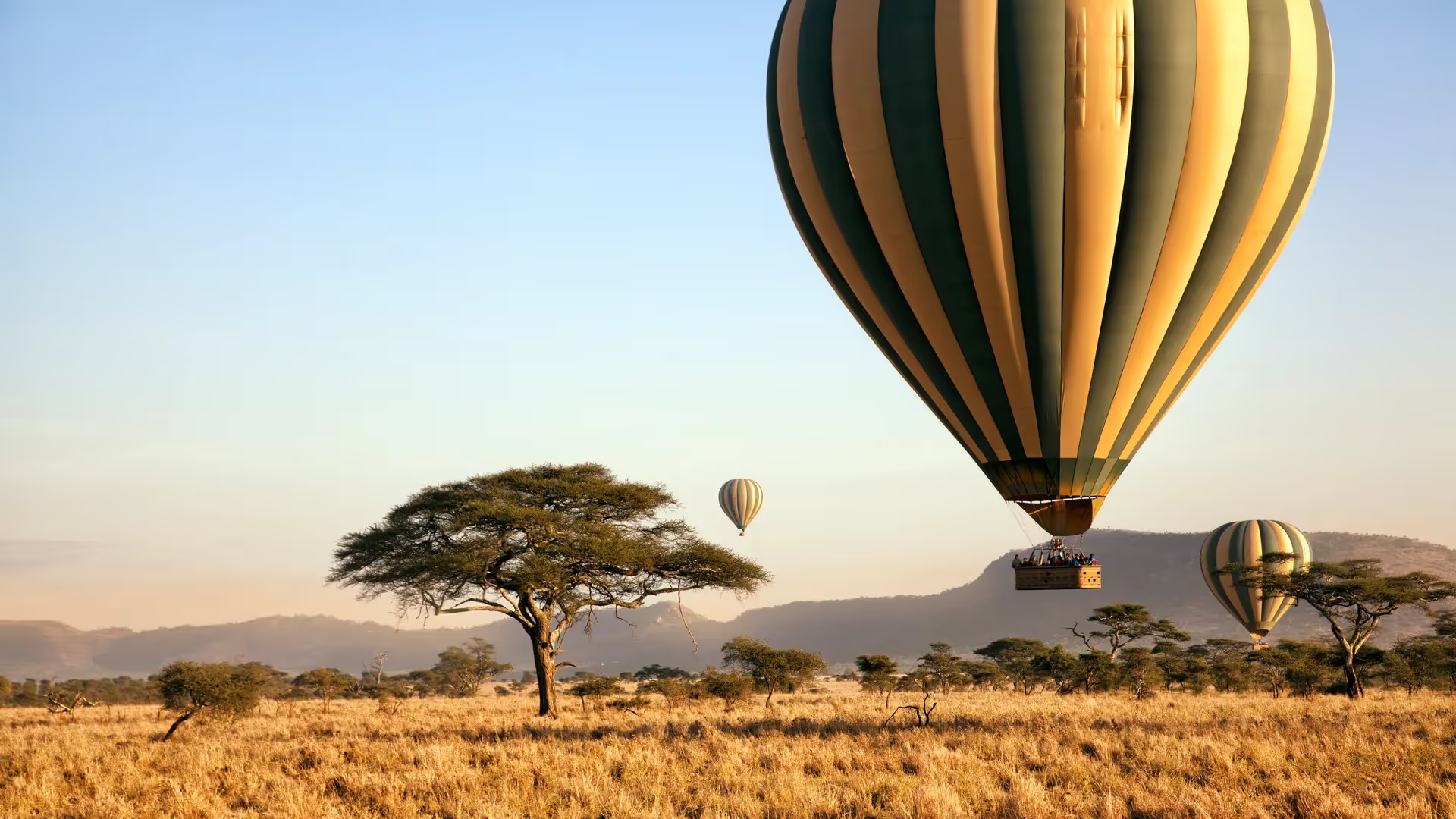
The details are where the difference shows: a private vehicle so you can stay with a leopard as long as you like, a bush breakfast set up under a tree, a hot-air balloon at sunrise over the Serengeti, a mokoro at golden hour, a guided walk to learn tracks and plants. For more practical questions on cost, safety, and packing, read our Africa Safari Questions Answered.
How Much Time Should You Allow for a Safari?
For a first safari, plan seven to ten nights on the ground, split across no more than two or three areas with at least three nights in each. That gives you enough game drives for the weather and the animals to work in your favor, without spending every other day packing.
From the Philippines, add travel days on both ends. A Kenya or Tanzania safari works well in 10 to 12 days door to door. A trip that adds Cape Town, Zanzibar, or a second country sits comfortably at 14 to 16 days.
A slower pace pays off on safari. Two extra nights at one camp usually let you squeeze in more than a third destination.
Planning Flights, Transfers and Accommodation from the Philippines
Getting there. There are no direct flights from Manila to Africa. Most routes connect through a hub in Asia, the Middle East, or Africa itself, and total travel time is usually a full day or more. We recommend arriving in Nairobi, Arusha, or Johannesburg a night before your first camp so you start the safari rested.
Moving between camps. Inside Africa, many luxury safaris use small aircraft to reach airstrips near the camps, from Nairobi to the Mara, from Arusha to the Serengeti, or from Maun into the Okavango. These flights save hours on rough roads and offer aerial views of the landscape. Luggage limits are strict, often around 15 kg per person in a soft bag, so pack light and leave the rest at your arrival hotel.
Entry requirements. Each country has its own rules for Philippine passport holders. Kenya uses an electronic travel authorization, Tanzania an eVisa, and Botswana requires a visa. South Africa requires a visa applied for through VFS Global in Manila, and processing can take several weeks. Apply early, especially for multi-country trips.
Health. If your trip moves from Kenya or Tanzania to South Africa or Botswana, you may be asked for a yellow fever vaccination certificate on arrival. In the Philippines, the Bureau of Quarantine issues the certificate, and you should get the vaccine at least ten days before you travel. Many safari areas are also in malaria zones, so see a travel medicine clinic about four to six weeks before departure.
Accommodation. The camps that define a luxury safari have only a handful of rooms, and for the July to October season they often fill a year in advance. Booking early matters more on safari than almost anywhere else.
Private Safari vs Scheduled Group Tour
Both have a place. The difference is how much control you want over the days.
Private safari tours give you your own vehicle and guide, your own dates, and full control over pace. You can stay out longer at a sighting, skip an afternoon drive for a spa visit, or build the trip around a family celebration. It is the better choice for families with children, photographers, couples on a honeymoon, and anyone with specific mobility or dietary needs.
A scheduled group journey gives you a set route with a small group of like-minded travelers and an Access Expert handling everything along the way. It suits solo travelers, first-timers who want company, and anyone who likes having the decisions made. Our African safari tours run with a maximum of 12 guests. The Kenya Journey departs July 26 to August 4, 2027, and the Tanzania Great Migration Journey, personally led by Angely Dub, departs July 25 to August 5, 2027, timed for the river crossings in the northern Serengeti.
For a closer comparison, read Private Luxury Tours vs. Group Tours.
How to Create a Safari Itinerary Around Your Travel Style
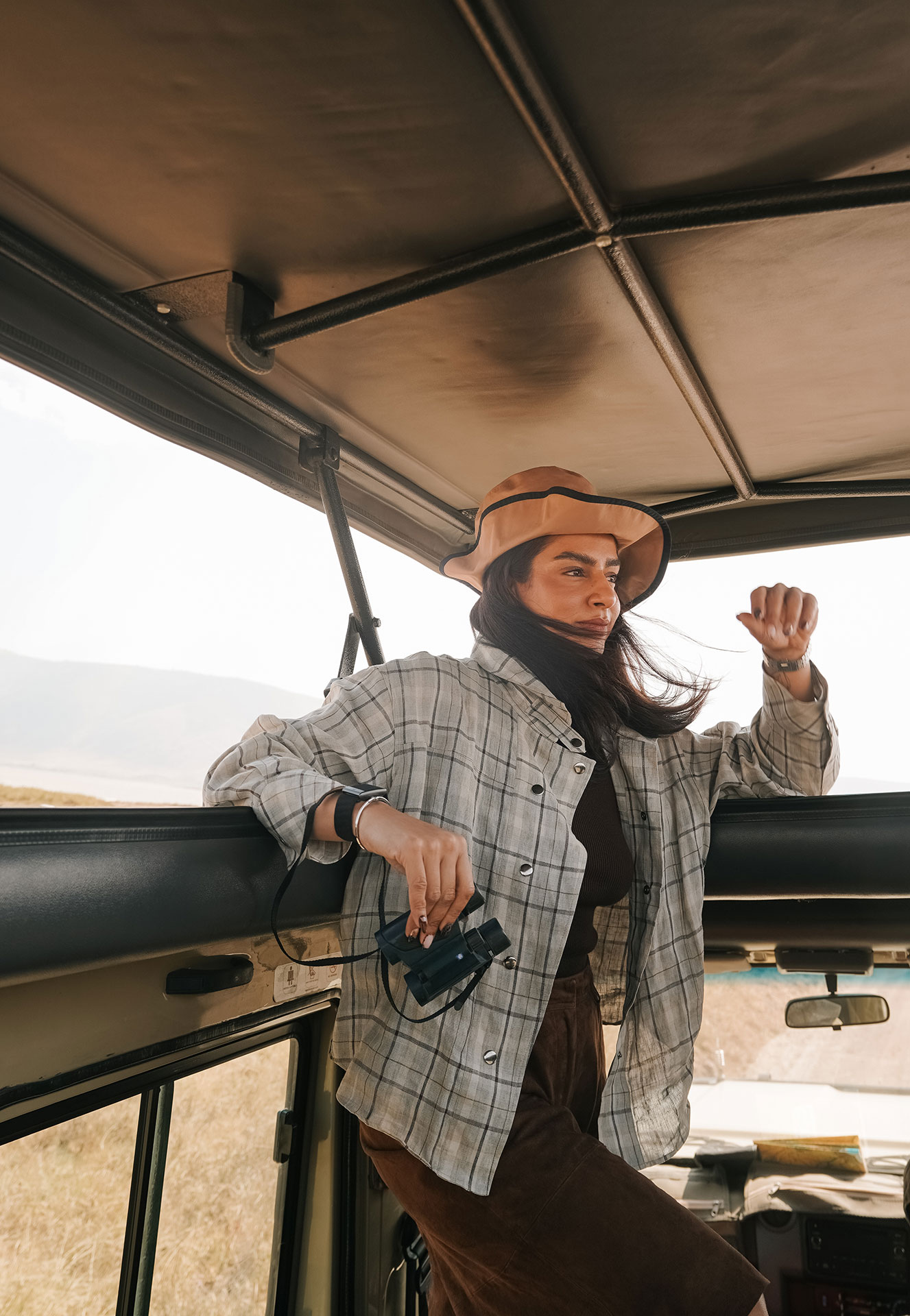
A customised African safari itinerary starts with how you want to feel, then fills in the places. A few examples of how that plays out:
- For a honeymoon: three nights in a Maasai Mara conservancy, two in the Serengeti with a balloon flight, then four quiet days in Zanzibar. Or a Sabi Sand lodge with a private plunge pool, followed by the Cape winelands.
- For families: a malaria-free reserve in South Africa, a lodge with a children's program and family suites, and Cape Town for the beaches and penguins. Shorter drives and a pool at every stop.
- For photographers: a private vehicle in the Mara during river-crossing season, then Botswana for water-based game viewing and low, warm light.
- For a return visit: Botswana's Okavango and Chobe, with mostly small-plane transfers and time spent on foot and by boat.
- For multigenerational trips: fewer camp changes, lodges with step-free access where possible, and private vehicles so each generation can set its own pace.
The same principles apply at every level of detail. We think about which side of the camp your tent faces, which guide matches your interests, and how the transfer days are timed so no one is rushed. Read more about how customized luxury travel is tailored around you.
Plan Your African Safari with Access Travel
A luxury African safari asks for a lot of decisions in the right order: the season, the country, the camps, the flights between them, the entry requirements, and the moments that make a trip personal. We plan from firsthand experience on the ground in East and Southern Africa, and we handle every one of those details before you leave Manila, so all you need to do is pack light and look up.
Join one of our small-group African wildlife holidays, or let us design a private safari around your dates, your group, and the picture you have in mind.
Plan your trip or speak with an Access Expert, and we'll start shaping your safari, the Access way.
For more destination ideas and planning guides, browse Access Travel Stories.