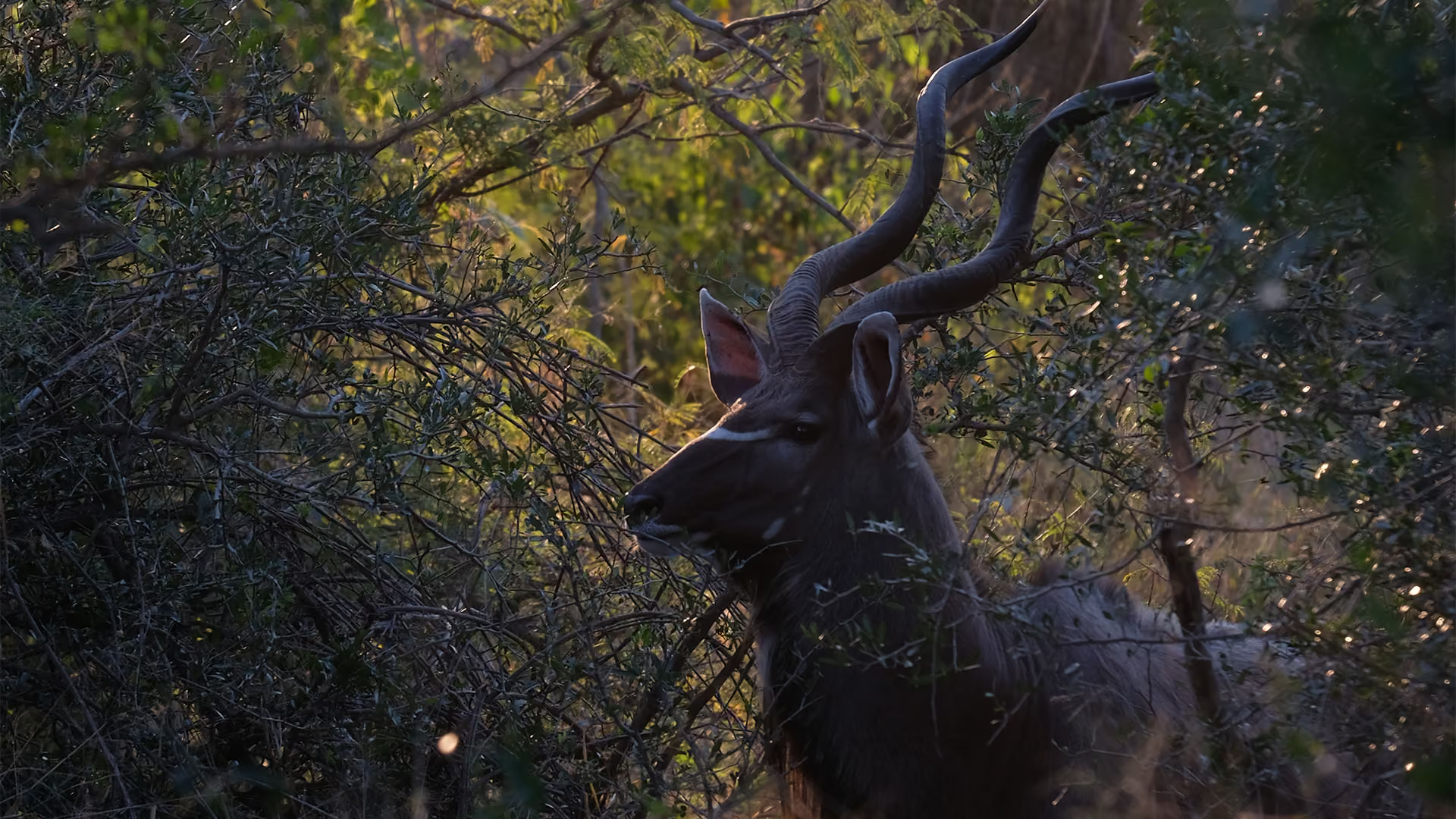
Say the word safari and a few quiet worries tend to surface. Will it be uncomfortable? Is it safe? Do you need to be some kind of seasoned adventurer to enjoy it? For a first trip into the wild, those questions are fair, and they are exactly why a South Africa safari is the place to start. This is the most forgiving introduction to the African bush you will find, and it asks you to give up almost nothing in the way of comfort.
This guide covers why South Africa earns its reputation, which parks deserve your days, when to go, and how to plan around the practical details. Whether you are weighing your first trip or refining a return visit, here is what makes South Africa safari trips so easy to fall for.
Why Visit South Africa
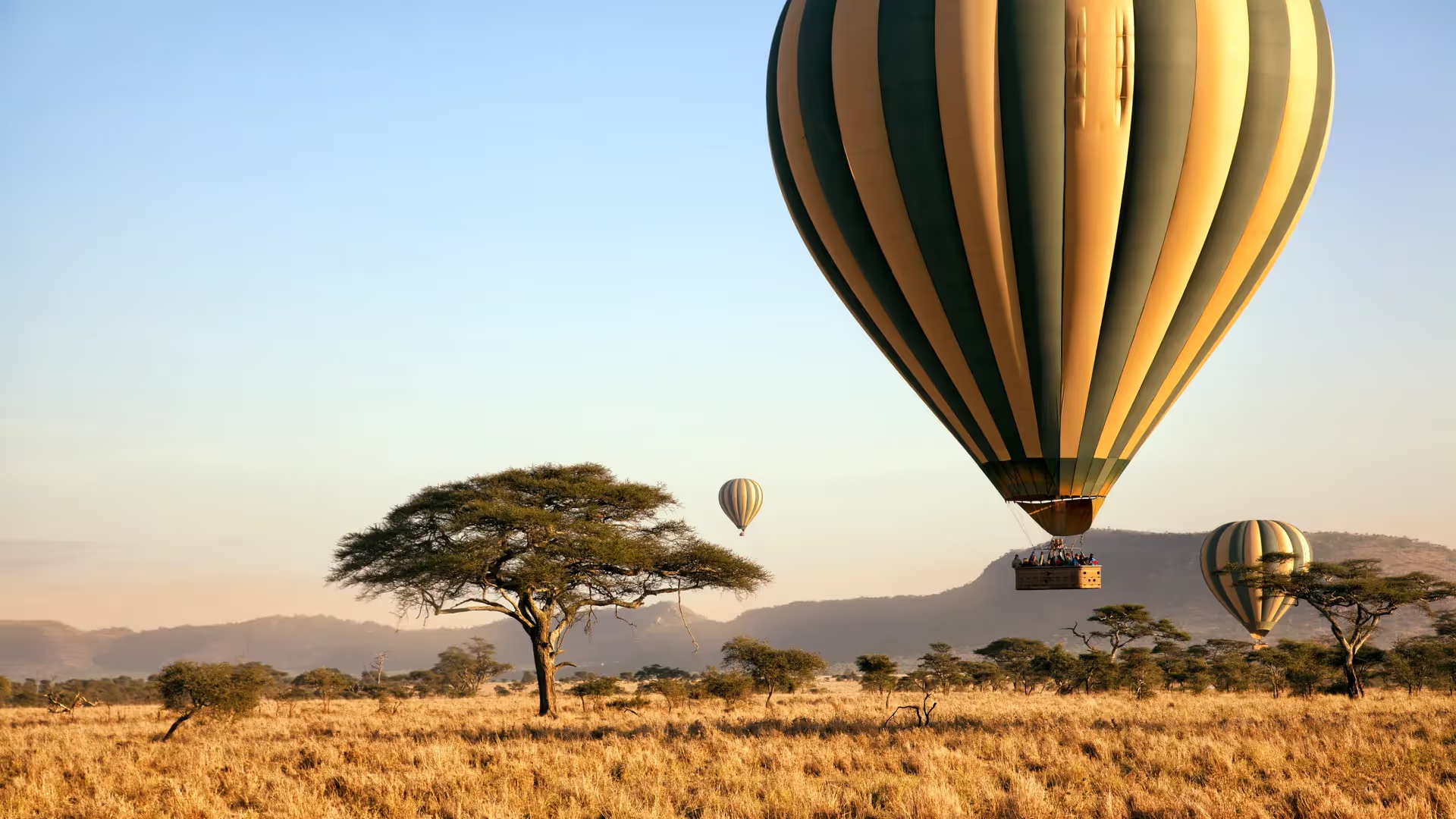
South Africa is often called the grand dame of African safari destinations, and the title is earned. The Big Five (lion, leopard, elephant, buffalo, and rhino) are close to a sure thing here, and the country protects the largest population of wild rhinos on earth. For a first encounter with big game, the odds rarely look better.
What sets South Africa apart, though, is how approachable it is.
- The main routes through Kruger National Park are paved, so no 4WD is required and self-driving is genuinely doable.
- Several excellent reserves sit in malaria-free zones, which is reassuring for families and anyone who would rather skip antimalarials.
- A safari pairs naturally with Cape Town, the Garden Route, the winelands, and the coast, so wildlife is only one chapter of the trip.
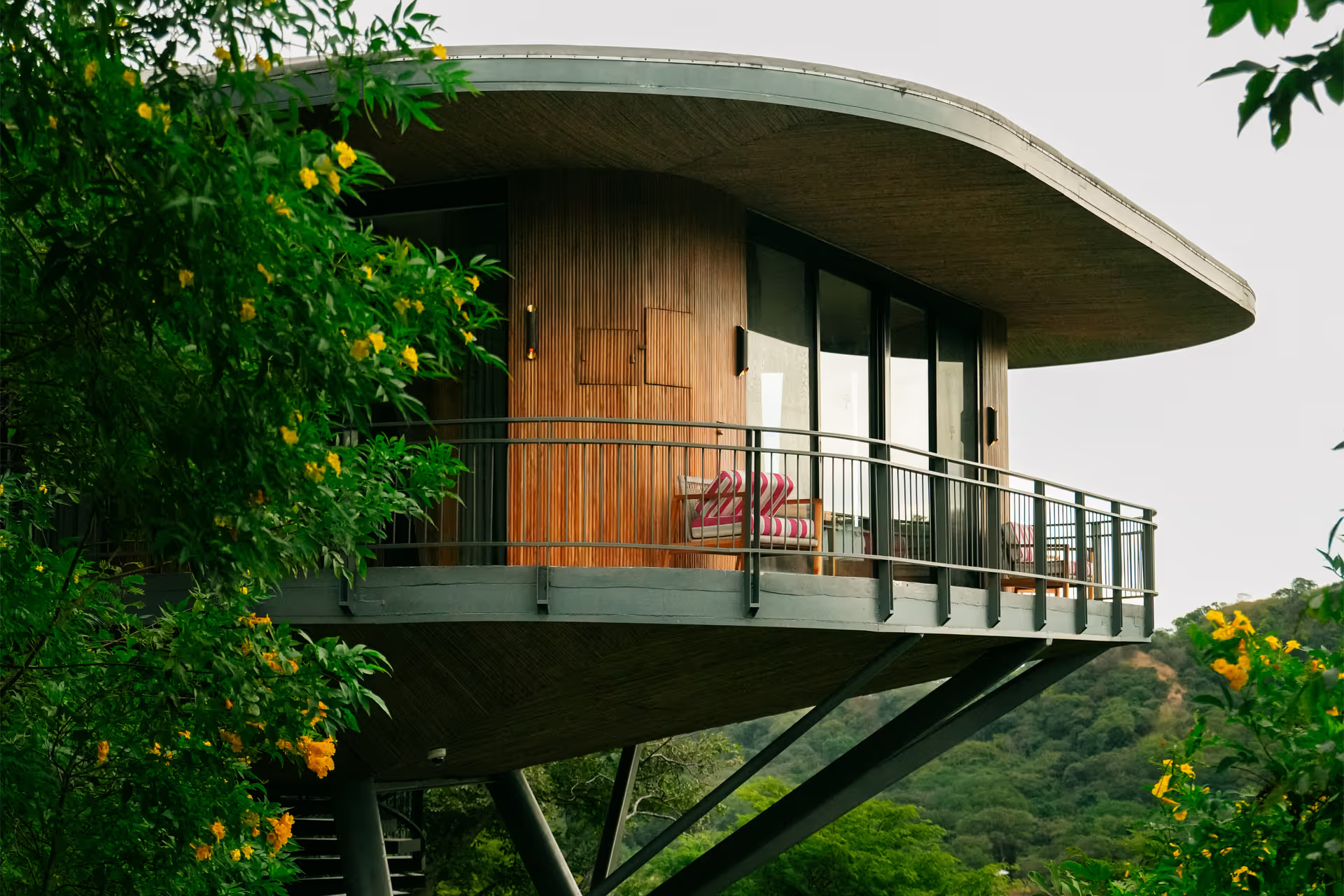
- Comfort in the bush is a given. Think considered meals, sundowners at golden hour, and lodges with private pools.
There is also the matter of value. South Africa delivers more safari for your investment than almost anywhere else on the continent, which is part of why it works so well as a first trip. If you are still deciding between South Africa and the rest of the region, our overview of Africa safari travel breaks down how the destinations compare.
Top Safari Parks
South Africa has no shortage of parks, and each one rewards a different kind of traveler. Here is how the standouts stack up.
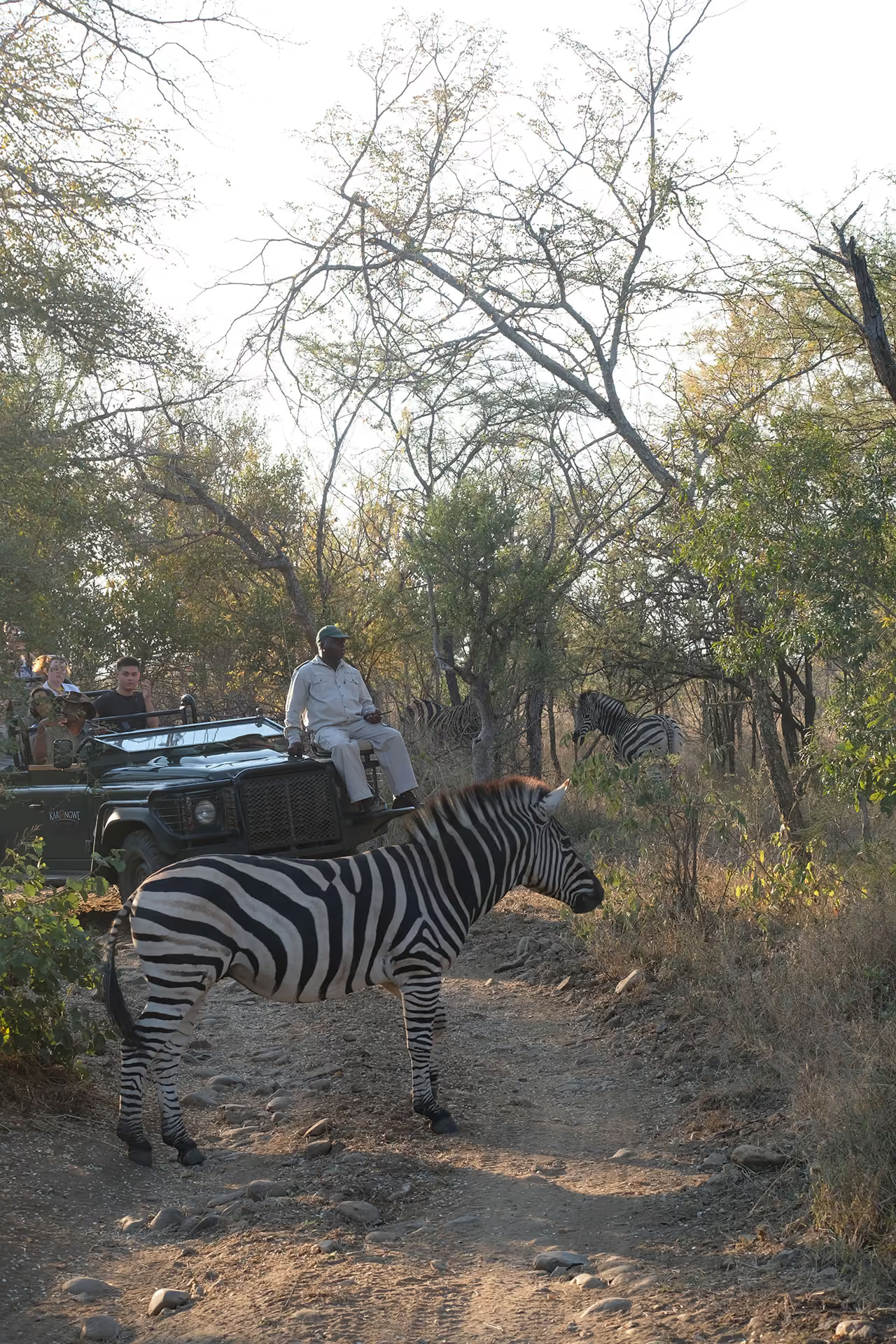
Kruger is the headline act. It covers nearly 20,000 square kilometres, land first protected back in 1898, and shelters 147 large mammal species. It is widely considered the best place in Africa to spot rhino and leopard. A Kruger safari can be self-driven on sealed roads, which makes it rare among the continent's major parks. Give it at least three days, and resist the temptation to cover ground. Around 80 kilometres a day is the sweet spot for actually seeing animals rather than just passing them.
For a more exclusive experience, Sabi Sands sits along Kruger's unfenced southwestern edge, part of the same wild ecosystem with no barrier between them. It holds the highest concentration of leopards anywhere on the planet, and Mala Mala, the largest and most central property, is often singled out as the finest of the lot. Two or three nights here buys you off-road tracking, night drives, walking safaris, and lodges built for slowing down.
Best Time to Visit
The short answer: the dry winter months from May to September give you the best game viewing. Vegetation thins out and water grows scarce, so wildlife clusters around rivers and waterholes. That makes animals far easier to find and to photograph.
If you want the best balance of wildlife, weather, and value, aim for May or the September to October window. You get nearly peak-season game viewing without peak-season company.
Travel Tips
Guided or self-drive? Self-driving Kruger is rewarding and independent, and it stretches a trip nicely. A private reserve or a guided drive gives you expert trackers, off-road access, and noticeably more sightings. For a first safari, guided is the easier and richer choice, and it is the part of the trip where having a planner in your corner makes the biggest difference.
Malaria. Kruger, Limpopo, Mpumalanga, and northeastern KwaZulu-Natal are malaria zones, with risk highest from September to May. Cape Town, Johannesburg, and the Garden Route are malaria-free, as are the Madikwe and Pilanesberg reserves. Speak with a travel health clinic before you go and follow their guidance for your specific route.
Vaccinations. Routine shots such as DTP and Hepatitis A are recommended. A yellow fever certificate is only required if you are arriving from a country where the disease is present.
Visa. This is worth flagging clearly. Filipino passport holders do need a visa for South Africa, arranged before departure rather than on arrival, so build the processing time into your plans. Your passport should have at least two blank pages and remain valid well beyond your return date. It is a straightforward process with the right preparation, and it is exactly the kind of detail we manage for clients so it never becomes your problem.
Packing. Stick to neutral, earth-tone clothing with layers for cold early mornings on game drives. Skip bright colours, and leave camouflage patterns at home, since they are restricted in some areas. Binoculars are worth their weight, a camera lens of 200mm or longer pays off, and soft-sided luggage is essential if your route includes light aircraft.
Costs. South Africa travel rewards almost any level of spending. Self-drive stays start modestly, fully serviced private lodges climb from there, and park entry runs around USD 27 a day for international visitors. The range is part of the appeal: you can shape the trip around the experience you want rather than the other way around.
Sample Itinerary
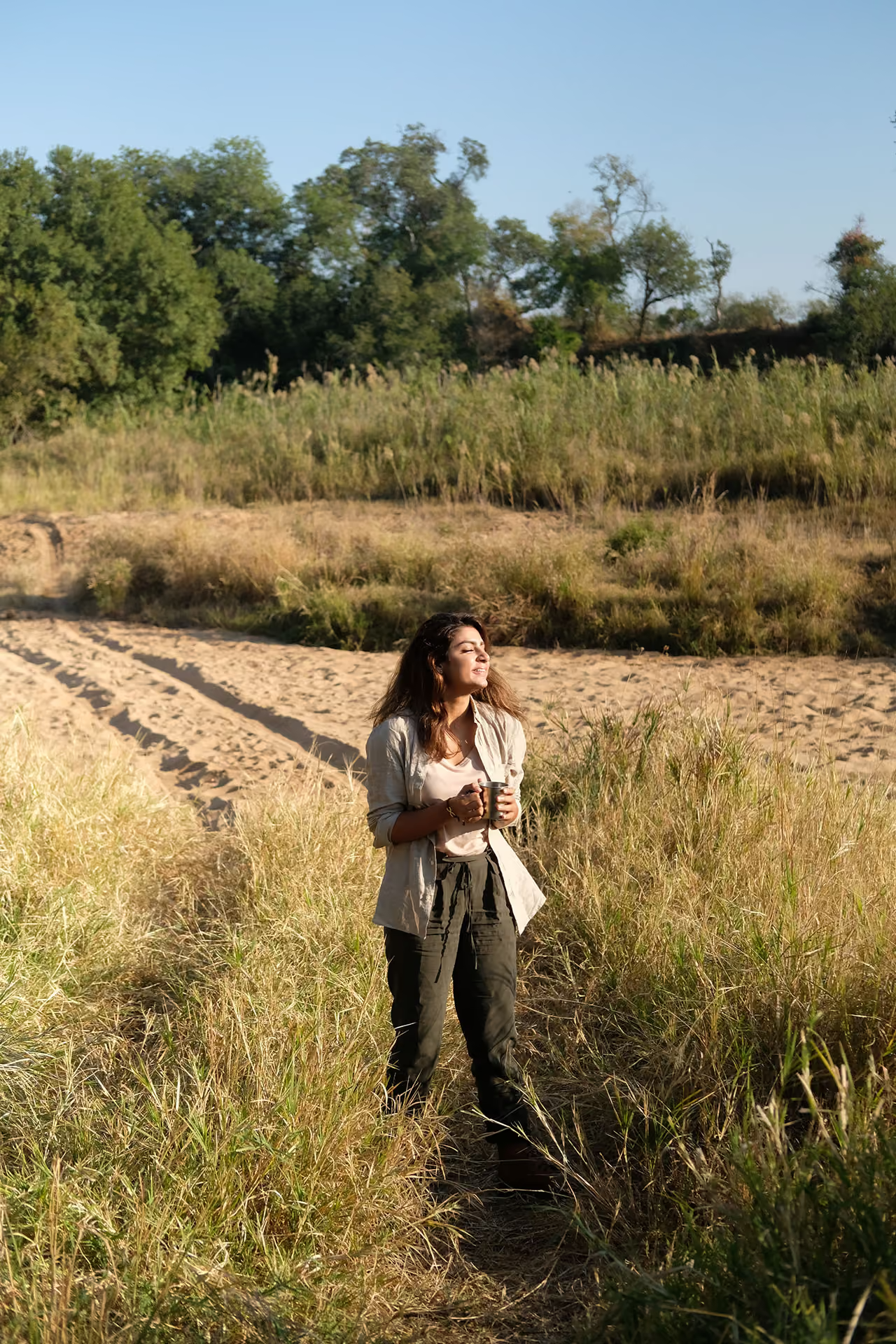
Here is a clean 8 to 10 day shape that captures the best of a South Africa safari without rushing it. For a fuller plan you can adapt to your own pace, see our Africa safari itinerary.
- Days 1 to 2, Johannesburg. Arrive and settle in, or transfer straight toward Kruger if you would rather not lose a day.
- Days 3 to 6, Kruger National Park. Build your days around sunrise and sunset game drives, whether self-driven or guided, and give yourself real time to track the Big Five.
- Days 7 to 8, Sabi Sands Private Reserve. Move into a private lodge for leopard tracking, walking safaris, and night drives you cannot do in the national park.
- Days 9 to 10, Cape Town. Close with Table Mountain, the Cape Winelands around Stellenbosch and Franschhoek, and the coast.
Want to extend it? Strong add-ons include iSimangaliso with beach time, a stretch in Hluhluwe-iMfolozi, whale watching at Hermanus, or great white cage diving at Gansbaai.
FAQs
Can you go on safari in Cape Town? Not in any real sense. The closest options, such as Inverdoorn and Aquila, are convenient day trips but not the genuine article. For true wildlife, fly to Kruger or a nearby reserve.
Is South Africa safe for travelers? Yes, with the same standard precautions you would take in any major destination. Tourists visit in large numbers without incident every year.
Do you need a 4WD? No. The main routes through Kruger are paved and easily handled in a standard car. A 4WD only matters for off-road tracking, which is what private reserves and guides are for.
Is South Africa good for first-time safari-goers? It is the single most recommended first safari destination, and for good reason. It is accessible, varied, and forgiving in all the ways a first trip needs to be.
A South Africa safari is the rare journey that suits both the cautious first-timer and the seasoned traveler. The difference between a good one and a seamless one almost always comes down to planning, and that is the part we take off your hands. Explore our Access Journeys to see how a trip like this comes together, or speak with an Access Expert and we will design the days around your rhythm.