A multi-country Europe trip goes wrong in a specific way: not because the destinations are bad, but because you chose the countries before you chose the route. Once you fix that order, most of the hard planning problems, how many stops, how to get between them, how the visa works, solve themselves.
We've already written about the general discipline of planning any multi-country trip. This one is narrower on purpose: how to build a Europe route specifically, with the region clustering, rail decisions, and Schengen logic that don't apply anywhere else in the world.
Choosing Your Route
Start with a region, not a country list. "Paris, Rome, Switzerland, maybe Amsterdam" is a wish list, not a route. A region is a cluster of countries that sit near each other and move in one direction, so the days in transit stay short and the days on the ground stay long.
A few clusters work particularly well for a first or second Europe trip:
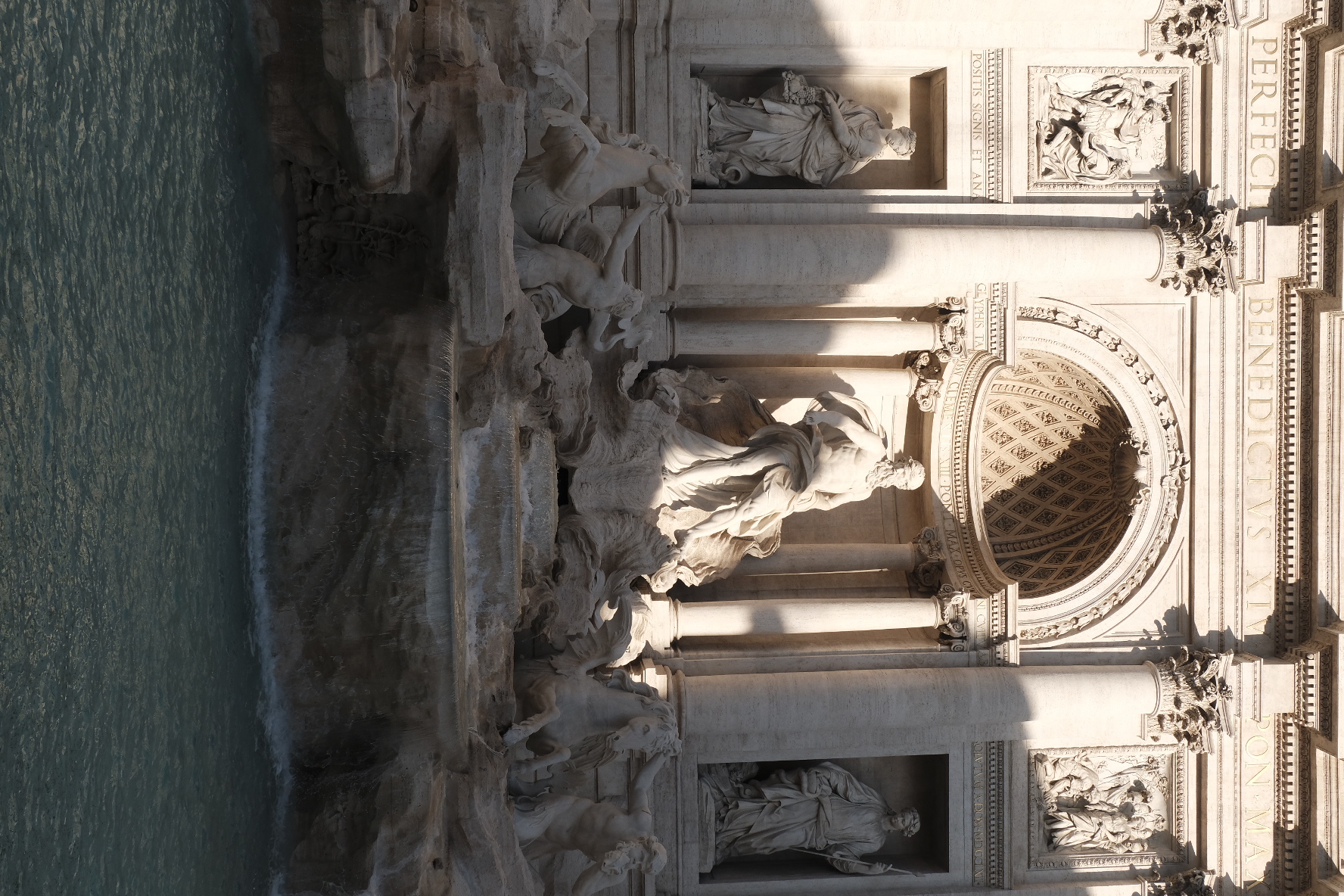
- France, Switzerland, and northern Italy. Fast rail connections, dramatic scenery changes, and cities close enough that a transfer day never eats the whole day.
- Spain and Portugal, with a stretch of southern France. A coherent culinary and cultural arc rather than a jump between unrelated cities. Our Iberian Escape guide breaks this route down in more detail.
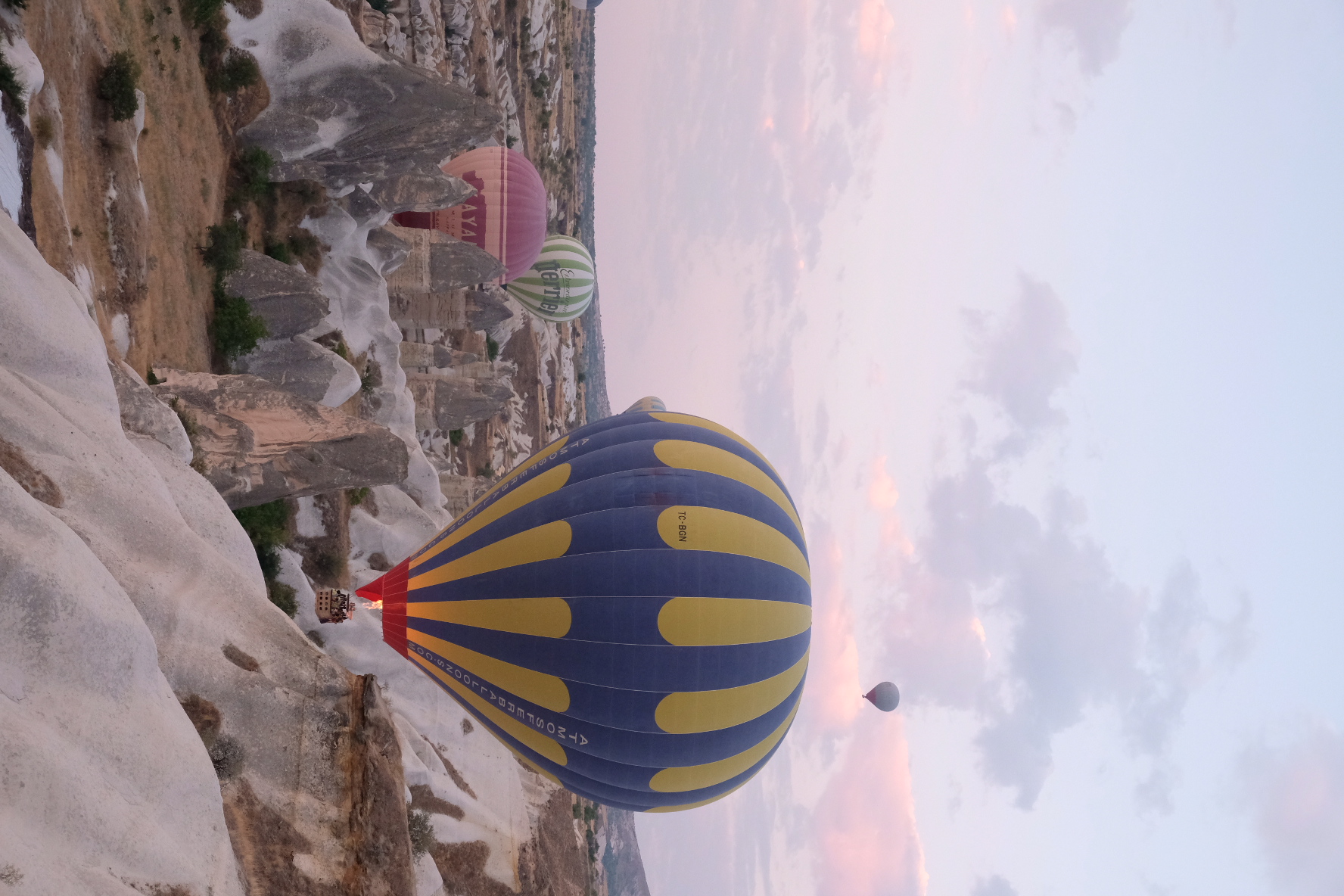
- Türkiye and Greece. Istanbul's Old World layers into the Greek islands in a way that feels like one trip rather than two, which we cover in our Turkey & Greece itinerary guide.
- Austria and Switzerland, for travelers who want mountains and historic cities in the same route. Our Switzerland season guide is a useful companion piece if this is the anchor country.
What doesn't work is zig-zagging – Lisbon to Vienna to Copenhagen to Rome in two weeks looks reasonable on a map, but in practice it spends most of the trip in airports and half-unpacked suitcases.

How Many Countries Is Too Many
The honest answer is that country count is the wrong measure. Count hotel changes instead. A two-country trip with five one-night stops can feel more tiring than a three-country trip built around three or four longer stays.
As a rough guide for Europe specifically:
If your list has more countries than your trip length comfortably supports, the fix isn't a faster pace. It's a shorter list.
Suggested Pacing & Duration
Once the route is set, build it around longer stays rather than a new hotel every night or two. Three or four nights per stop gives you a light arrival day, a full day to actually be there, and an easy departure, and it means unpacking once instead of five times.
A few pacing habits make a real difference on a Europe route specifically:
- Keep the arrival day light, especially straight off a 14-hour flight from Manila.
- Treat the day you change cities as a travel day, not a sightseeing day.
- Choose your intercity transport by distance rather than habit. Trains are the strongest option for journeys of two to five hours; you land in the city center instead of an outlying airport, and networks across France, Italy, Spain, and Germany are genuinely fast. High-speed and international routes, and most overnight trains, need a paid seat reservation booked in advance, even if you're traveling on a rail pass.
- For anything longer than a five-hour train ride, or a route that crosses water (the Greek islands, Sicily, the UK from the continent), flying usually saves a day.
- A private transfer is worth the cost when comfort matters more than the fare: heavy luggage, a multigenerational group, mountain hotels off the rail line, or a traveler who needs a gentler pace than a train platform allows.
Common Mistakes to Avoid
Designing the route before the visa. For Philippine passport holders, most of Europe's multi-country routes cross the Schengen Area, and a short-stay Schengen visa lets you travel up to 90 days within any 180-day period. As of September 2026, the application goes through the country where you'll spend the most nights, or the first Schengen country you enter if your stays are equal. Book non-refundable hotels or flights before your route and visa are locked, and changes later in planning can force you to rebuild the whole application.
Treating "Europe" as one visa zone. It isn't. The Schengen Area covers most of the continent, but the UK, Ireland, and Türkiye sit outside it and follow their own entry rules. If your route touches any of these, plan that leg's requirements separately.
Assuming a rail pass is automatically the cheaper option. Compare the actual point-to-point fares for your route first, then factor in the paid reservations that high-speed and international trains require. A pass sometimes wins, but not by default.
Waiting for an ETIAS that isn't required yet. ETIAS is a future entry authorization for visa-exempt travelers and, as of this writing, is not yet in effect. Philippine passport holders traveling to Schengen countries need a Schengen visa regardless of ETIAS's status, so don't let a headline about ETIAS delay your visa application.
Assuming every leg should be a train. A private transfer is sometimes the better premium choice, particularly for families, mountain routes, or luggage-heavy days.
Visa rules shift, so confirm current requirements with the relevant consulate before you apply. This section reflects guidance as of September 2026.
How Access Travel Builds Your Route
We plan a Europe route the same way regardless of whether you join a scheduled departure or build a private itinerary: we start with the kind of trip you actually want, cluster the countries that support it, then work the visa logic and the transport decisions backward from there, so nothing has to be rebuilt later.
If you'd rather join a route we've already designed, our 13-day Europe Journey is a ready-built multi-country itinerary. If you want something built entirely around your own pace, group, and preferences, an Access Expert can plan a private Europe journey with you.
For the broader planning framework, budgeting for the parts of a trip that aren't the flight or the hotel, and the general rhythm that applies beyond Europe, our stress-free multi-country trip guide is the place to start.
Ready to build your route? Start planning your Europe trip with an Access Expert.