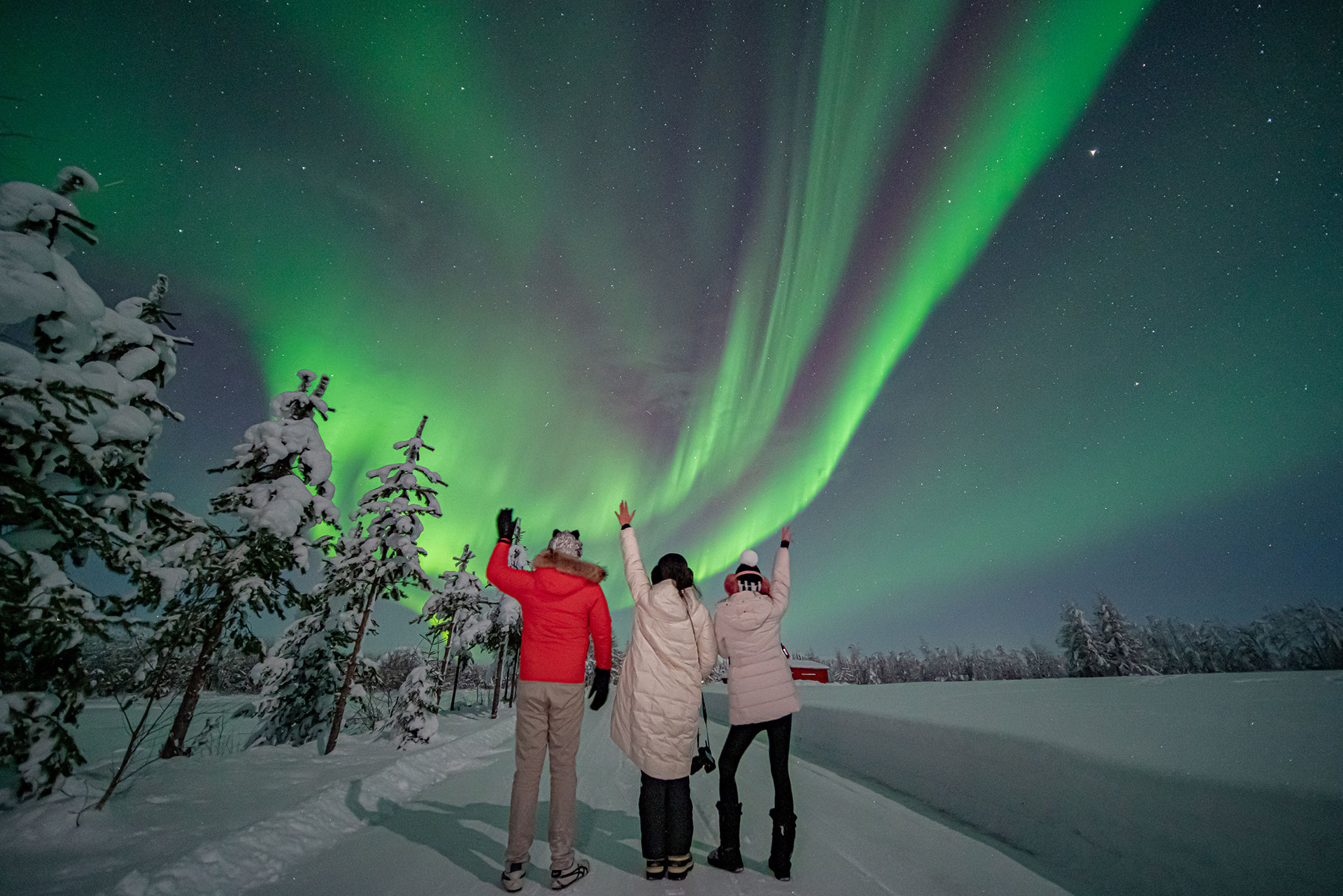
The 2026–2027 aurora season is already underway. Since late August, nights across Arctic Norway, Finland, Sweden, and Iceland have been dark enough to show the lights, and from now until early April, every clear night in the far north carries a real chance. If you are planning from Manila, the more useful questions are which place suits your trip and how early you need to start.
This guide covers the best places to see the Northern Lights this season, when to go, what to pack, and how to plan from the Philippines. If Lapland is already your choice, our Finland Northern Lights Travel Guide goes deeper, town by town.
A quick word on the sun. Solar Cycle 25 peaked in October 2024, and activity is now easing gradually. That still makes 2026–2027 a strong season. The years after a solar peak regularly bring powerful geomagnetic storms, and a severe one reached Earth as recently as January 2026. Displays may come a little less often than at the peak, so where you stay and how many nights you give the sky matter even more.
Where Are the Best Places to See the Northern Lights?
All four Northern Lights destinations below sit under or close to the auroral oval, the ring around the magnetic pole where the lights appear most often. What separates them is the weather, the landscape, and how you'll spend the hours of waiting.
Finland: Glass Igloos and Arctic Wilderness
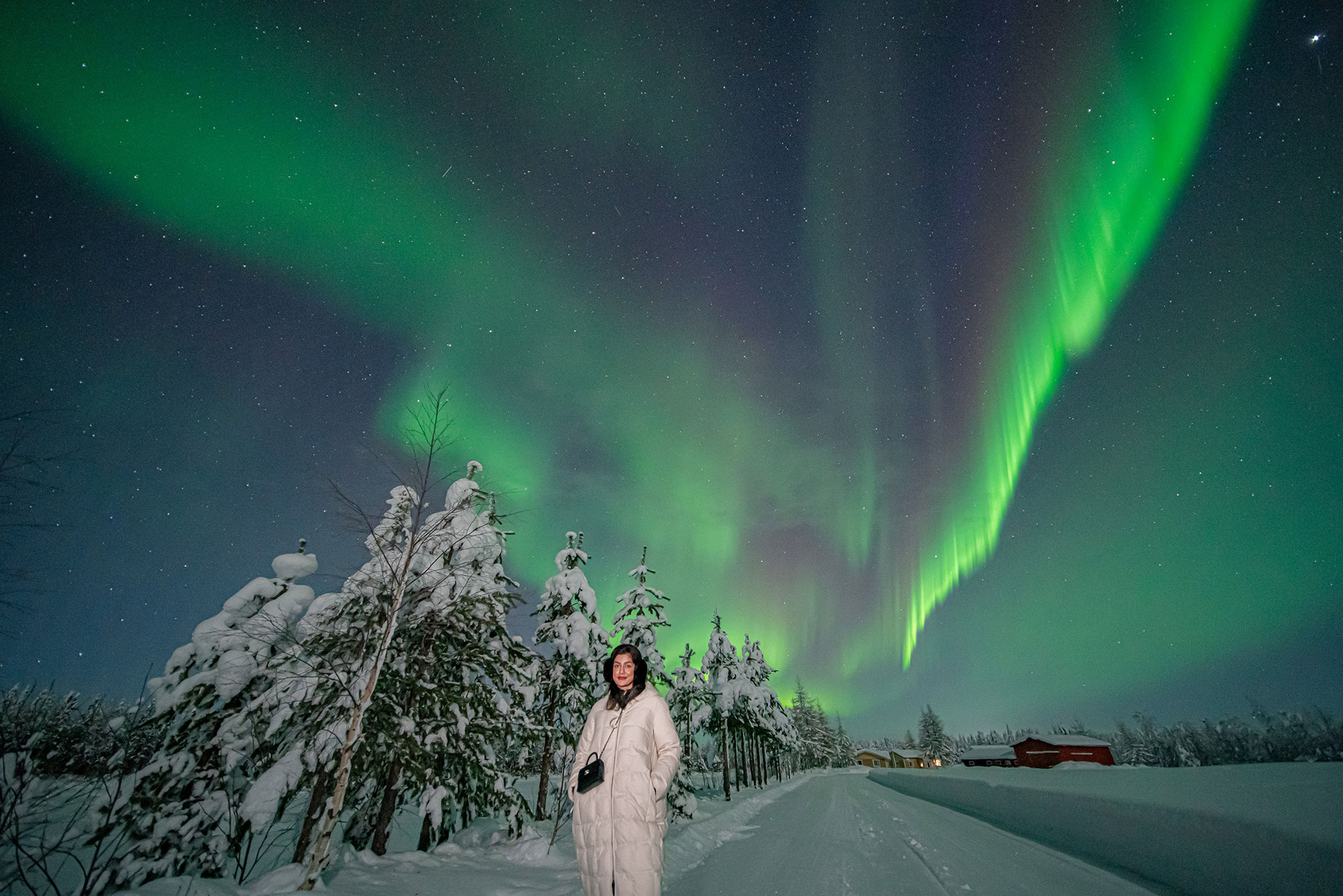
Finnish Lapland is where the aurora and comfort meet. Much of the region is inland forest and rolling fell, far from the clouds that roll in off the Atlantic, and its hotels have been designed around the night sky for decades. Glass-roofed igloos and cabins let you watch from bed, the room warm, the pine forest silent under snow outside. Many lodges also run aurora alerts that wake you when activity picks up, so you don't miss a 2 a.m. display while you sleep.
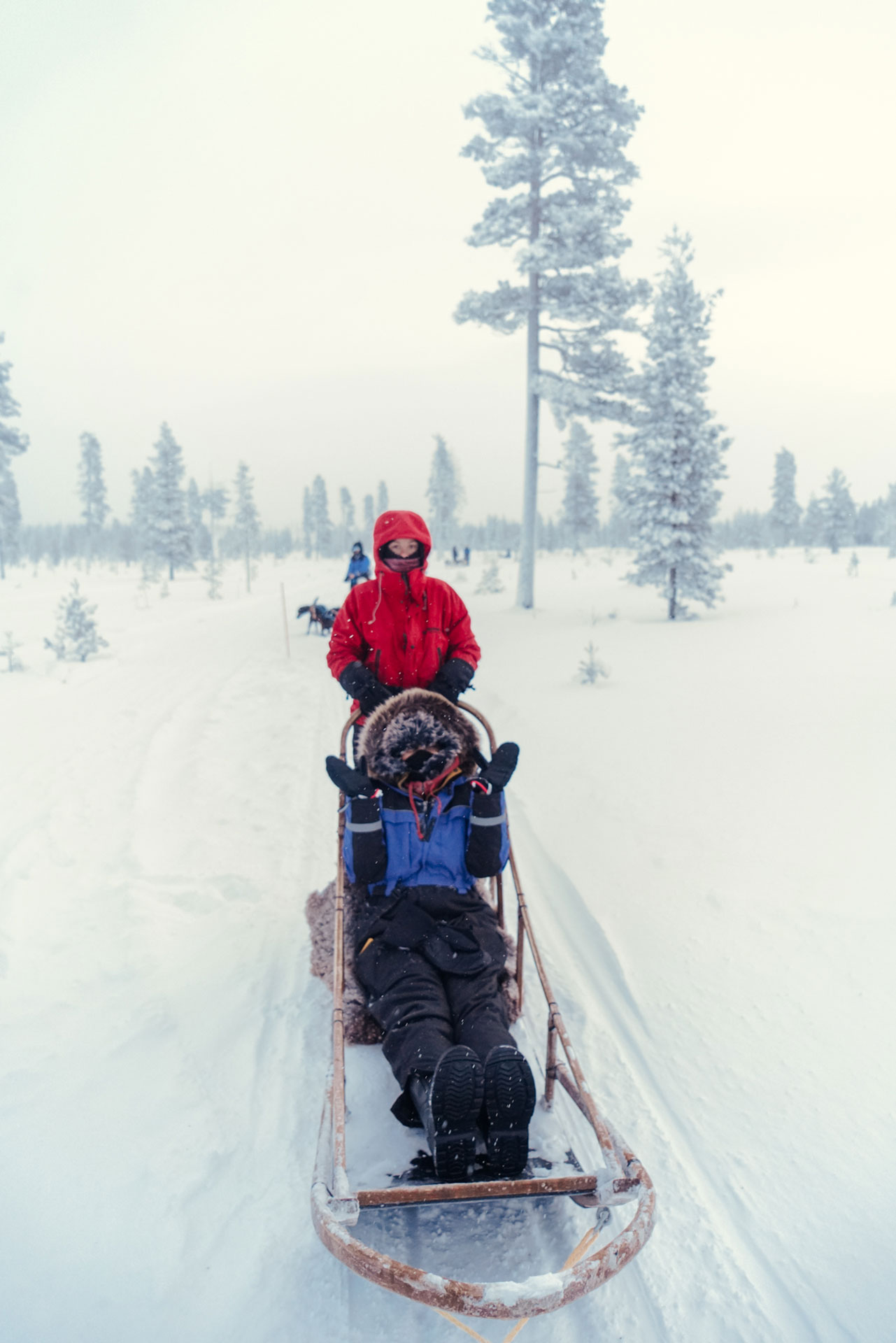
Rovaniemi is the easiest arrival point, and Santa Claus Village sits on its edge for families traveling with children. Further north, Levi and Saariselkä, home to Kakslauttanen's glass igloos, trade the town for deeper darkness and quieter nights. Days fill on their own: husky trails through frozen forest, a reindeer farm visit, a long sauna before dinner.
Finland suits travelers who want the aurora inside a complete winter holiday, with short transfers and very little roughing it. If you'd rather join a small group than plan privately, our Finland Journey is a Finland Northern Lights tour led by an Access Expert, moving from Rovaniemi to Levi to Kakslauttanen. The next departure is February 10–19, 2027.
Norway: Fjords and Aurora Viewing
Northern Norway gives you the aurora over water. Tromsø sits on an island ringed by mountains and fjords at nearly 70°N, and the coast is milder than most people expect, often only a few degrees below freezing thanks to the Gulf Stream. The same ocean brings cloud, so the best local guides read the forecasts each afternoon and drive wherever the sky opens, sometimes for hours.
From late November to mid-January, the sun doesn't rise above the horizon in Tromsø. The polar night isn't total darkness. Midday brings a few hours of deep blue light over the snow, and on active nights the aurora can appear by late afternoon.
Beyond Tromsø, the Lofoten Islands set the lights above peaks that rise straight from the sea, and Alta, further inland, tends to see drier weather. From November to late January, orcas and humpback whales follow the herring into the fjords north of Tromsø, which makes a midwinter Norway Northern Lights holiday one of the rare trips where you can spend the morning with whales and the night under the aurora.
Norway suits travelers who want scenery and activity alongside the lights, and who are happy to spend a late night on the road chasing a break in the clouds.
Iceland: Dramatic Landscapes and Dark Skies
Iceland's strength is the foreground. Here, the aurora plays out over black-sand beaches, glacier lagoons, lava fields, and waterfalls, and the daytime landscape is reason enough to go even if the sky stays quiet. The trade-off is weather. Atlantic systems move through quickly, and a sky can open and close within the hour.
Reykjavík is the natural place to land, but the darkest skies are well outside the city. The Snæfellsnes Peninsula in the west, the south coast around Vík and Jökulsárlón, and the Mývatn area in the north all give you wide horizons with little light pollution. On cloudy evenings, the geothermal lagoons are a good place to wait, warm water up to your shoulders and cold air on your face.
Iceland suits travelers who care about photographs and full days of sightseeing. Our Iceland Journey departs September 17–26, 2027, timed to the autumn equinox, when nights are dark enough for the aurora and the roads are still easy.
Sweden: Quiet Arctic Destinations
Swedish Lapland is the quietest of the four, and for clear skies it may be the most dependable. Abisko National Park lies in a rain shadow. The mountains along the Norwegian border pull moisture out of Atlantic weather before it reaches the valley, leaving a pocket of clearer sky that locals call the "blue hole." On nights when the coast is socked in, Abisko is often open. A chairlift up Mount Nuolja takes you to the Aurora Sky Station, a viewing deck high above the frozen expanse of Lake Torneträsk.
Kiruna is the gateway, and nearby Jukkasjärvi is home to the Icehotel, rebuilt every winter from river ice. Sweden suits photographers, couples, and anyone who wants fewer people and better odds on a clear night. It also pairs well with Tromsø, a few hours away by road or rail.
When Is the Best Time to See the Northern Lights?
The aurora is present all year. In summer, the midnight sun simply hides it. Across Arctic Europe, the viewing season runs from late August to early April, and each stretch offers something different.
September to October. Nights lengthen quickly, temperatures are mild by Arctic standards, and lakes haven't frozen yet, so the lights reflect in open water. The weeks around the autumn equinox also bring higher geomagnetic activity.
November to January. Longest and darkest nights, deepest snow, and coldest weather. Christmas and New Year are the busiest dates of the season in Lapland and Tromsø, and the best rooms go early.
February to March. Full snow cover, brighter days for husky rides and snowshoeing, and another lift in activity around the spring equinox. For many travelers, this is the most balanced time to go.
On any given night, the most active hours tend to fall between about 10 p.m. and 2 a.m., so plan for late nights and slow mornings. If your dates are flexible, aim for the week around a new moon, since a bright full moon washes out fainter displays.
In practice, the best time to see the Aurora Borealis is when your destination is properly dark, the sky above is clear, and you've given yourself several nights for those two things to line up.
How to Choose the Right Northern Lights Destination
Start with how you want the trip to feel, and let the destination follow.
A few other things shape the choice.
Who's traveling? With grandparents or young children, short transfers and warm viewing spots matter more than chasing. Finland's glass igloos and Sweden's Aurora Sky Station both let you see the lights without standing in a field for hours.
How long you have? With 7 to 9 days, one country gives you enough nights without rushing. With 12 to 14 days, two countries work well together. Tromsø and Abisko connect easily by road, and a fjord-and-forest route through Norway and Finnish Lapland becomes simpler this winter with new seasonal flights between Tromsø and Helsinki. Our guide to planning a multi-country Europe trip covers how to pace a route like this.
What should the days hold? The aurora is the reason to go, but the days decide how the trip feels. Choose the place whose daytime you'd enjoy even if the sky stayed quiet: sled dogs and saunas in Finland, whales and fjords in Norway, waterfalls and lagoons in Iceland, stillness in Sweden.
What to Pack for an Arctic Winter Trip
For travelers used to 30°C in Manila, the cold is the part to take most seriously. Inland Lapland and Abisko regularly fall to -20°C or lower in midwinter, and aurora viewing means standing still outdoors at night. Coastal Norway is milder but often wet and windy.
Dress in layers:
- Base layer - merino wool top and leggings. Skip cotton, which holds moisture against your skin.
- Mid layer - a fleece or light down jacket.
- Outer layer - an insulated, windproof parka and snow pants.
- Feet - insulated winter boots with good grip, rated well below freezing, and several pairs of wool socks.
- Hands and head - thin liner gloves under warm mittens, a wool hat that covers your ears, and a neck gaiter or balaclava.
- Small essentials - hand and toe warmers, a rich moisturizer and lip balm for dry Arctic air, and sunglasses for snow glare in February and March.
- For photos - a small tripod and spare batteries kept in an inner pocket, since cold drains them quickly.
Many Lapland lodges and safari operators lend thermal overalls, boots, and mittens for outdoor activities, so there's no need to buy expedition gear for one trip. Your Access Expert confirms what each stay provides before you pack.
How to Plan a Northern Lights Holiday from the Philippines
A Northern Lights trip from the Philippines comes down to a few things: the visa, the route, and the lead time.
The visa
Finland, Norway, Sweden, and Iceland are all part of the Schengen Area, so Philippine passport holders need a Schengen short-stay visa, and one visa covers all four. You apply through the country where you'll spend the most nights. You lodge applications through VFS Global in Manila or Cebu; for Sweden, the embassy in Bangkok makes the decision. Standard processing takes around 15 days and can run longer in peak season. You can apply up to six months before travel, and for December or February trips we recommend starting at least two to three months ahead. Travel insurance with at least €30,000 in medical coverage is required.
The route
There are no direct flights from Manila to the Arctic. Most journeys connect through an Asian hub such as Bangkok, Singapore, Hong Kong, Tokyo, or Seoul to Helsinki, then take a short domestic flight north to Rovaniemi, Kittilä for Levi, or Ivalo for Saariselkä. For Norway, the usual path is through Oslo to Tromsø; for Sweden, through Stockholm to Kiruna; and for Iceland, through a European hub to Keflavík. Expect a full day of travel each way. We often build in a night in Helsinki or Oslo on arrival so the body can adjust before the cold. Finland is six hours behind Manila in winter, Norway and Sweden seven, and Iceland eight.
The lead time
The most sought-after rooms in Lapland, especially glass igloos over Christmas and New Year, book out months ahead, which is why Finland's best experiences often go in July. For February and March 2027, now is the time to start. For the autumn equinox in September 2027, early spring is ideal.
Plan Your Northern Lights Journey with Access Travel
The aurora can't be booked. Everything around it can. We match you to the destination that fits how you want to feel, choose stays with dark skies and warm places to wait, work with guides who chase clear weather rather than run fixed routes, and plan days that stand on their own. We handle visa documents, flight routing, cold-weather gear, and transfers timed so you aren't waiting outside at -20°C before you leave Manila.
You can join one of our small-group departures, the Finland Journey in February or December 2027 or the Iceland Journey in September 2027, or have a private itinerary designed entirely around your dates and your group.
Plan your trip or speak with an Access Expert, and we'll design a Northern Lights journey around your pace, the Access way.
For more destination ideas and planning guides, browse Access Travel Stories.